•
Reykjavík Culture Night: What to Know
Read Time
4 min
•
Reykjavík Culture Night: What to Know
Read Time
4 min
•
Reykjavík Culture Night: What to Know
Read Time
4 min
Reykjavík Culture Night: Iceland’s Biggest City Celebration
Reykjavík Culture Night: Iceland’s Biggest City Celebration
Reykjavík Culture Night: Iceland’s Biggest City Celebration
Reykjavík Culture Night is the largest annual festival in Iceland, held in the capital every August. On one Saturday each year, the city transforms as streets fill with music, art, and open-air celebrations. This is Menningarnótt, a day when the boundary between performer and public disappears.
Museums open their doors for free, artists take over the sidewalks, and locals in the downtown area often set out coffee and waffles for anyone wandering past. As the night winds down, a fireworks show lights up the sky over Arnarhóll Hill. The event draws around 100,000 people annually, which is nearly a third of the country’s population, making it the most significant gathering in Iceland.
Whether you are visiting for the first time or are a frequent traveler to the North, Culture Night offers a rare, unfiltered look at the heart of the city.
What Is Reykjavík Culture Night (Menningarnótt)?
Reykjavík Culture Night is a free, citywide festival featuring art, music, and public events. Museums, galleries, local businesses, and even residential gardens all get involved.
The official slogan is “Come on in!” and it means exactly that. Doors open, strangers chat, and the city feels genuinely welcoming. Most cultural events run from around midday through the evening, closing with the fireworks show.
This festival also marks the launch of Reykjavík’s cultural year. Museums, theaters, and musical institutions use the day to debut their annual programs. For visitors, it is the best opportunity to see the breadth of Icelandic creativity in a single day.
When does it take place?
Reykjavík Culture Night takes place on the first Saturday after August 18 each year. This date commemorates the city’s founding in 1786, making the festival Reykjavík’s official birthday party. Because the specific date changes annually, it is important to check the official Culture Night program before finalizing your travel plans.
Reykjavík Culture Night is the largest annual festival in Iceland, held in the capital every August. On one Saturday each year, the city transforms as streets fill with music, art, and open-air celebrations. This is Menningarnótt, a day when the boundary between performer and public disappears.
Museums open their doors for free, artists take over the sidewalks, and locals in the downtown area often set out coffee and waffles for anyone wandering past. As the night winds down, a fireworks show lights up the sky over Arnarhóll Hill. The event draws around 100,000 people annually, which is nearly a third of the country’s population, making it the most significant gathering in Iceland.
Whether you are visiting for the first time or are a frequent traveler to the North, Culture Night offers a rare, unfiltered look at the heart of the city.
What Is Reykjavík Culture Night (Menningarnótt)?
Reykjavík Culture Night is a free, citywide festival featuring art, music, and public events. Museums, galleries, local businesses, and even residential gardens all get involved.
The official slogan is “Come on in!” and it means exactly that. Doors open, strangers chat, and the city feels genuinely welcoming. Most cultural events run from around midday through the evening, closing with the fireworks show.
This festival also marks the launch of Reykjavík’s cultural year. Museums, theaters, and musical institutions use the day to debut their annual programs. For visitors, it is the best opportunity to see the breadth of Icelandic creativity in a single day.
When does it take place?
Reykjavík Culture Night takes place on the first Saturday after August 18 each year. This date commemorates the city’s founding in 1786, making the festival Reykjavík’s official birthday party. Because the specific date changes annually, it is important to check the official Culture Night program before finalizing your travel plans.
Reykjavík Culture Night is the largest annual festival in Iceland, held in the capital every August. On one Saturday each year, the city transforms as streets fill with music, art, and open-air celebrations. This is Menningarnótt, a day when the boundary between performer and public disappears.
Museums open their doors for free, artists take over the sidewalks, and locals in the downtown area often set out coffee and waffles for anyone wandering past. As the night winds down, a fireworks show lights up the sky over Arnarhóll Hill. The event draws around 100,000 people annually, which is nearly a third of the country’s population, making it the most significant gathering in Iceland.
Whether you are visiting for the first time or are a frequent traveler to the North, Culture Night offers a rare, unfiltered look at the heart of the city.
What Is Reykjavík Culture Night (Menningarnótt)?
Reykjavík Culture Night is a free, citywide festival featuring art, music, and public events. Museums, galleries, local businesses, and even residential gardens all get involved.
The official slogan is “Come on in!” and it means exactly that. Doors open, strangers chat, and the city feels genuinely welcoming. Most cultural events run from around midday through the evening, closing with the fireworks show.
This festival also marks the launch of Reykjavík’s cultural year. Museums, theaters, and musical institutions use the day to debut their annual programs. For visitors, it is the best opportunity to see the breadth of Icelandic creativity in a single day.
When does it take place?
Reykjavík Culture Night takes place on the first Saturday after August 18 each year. This date commemorates the city’s founding in 1786, making the festival Reykjavík’s official birthday party. Because the specific date changes annually, it is important to check the official Culture Night program before finalizing your travel plans.
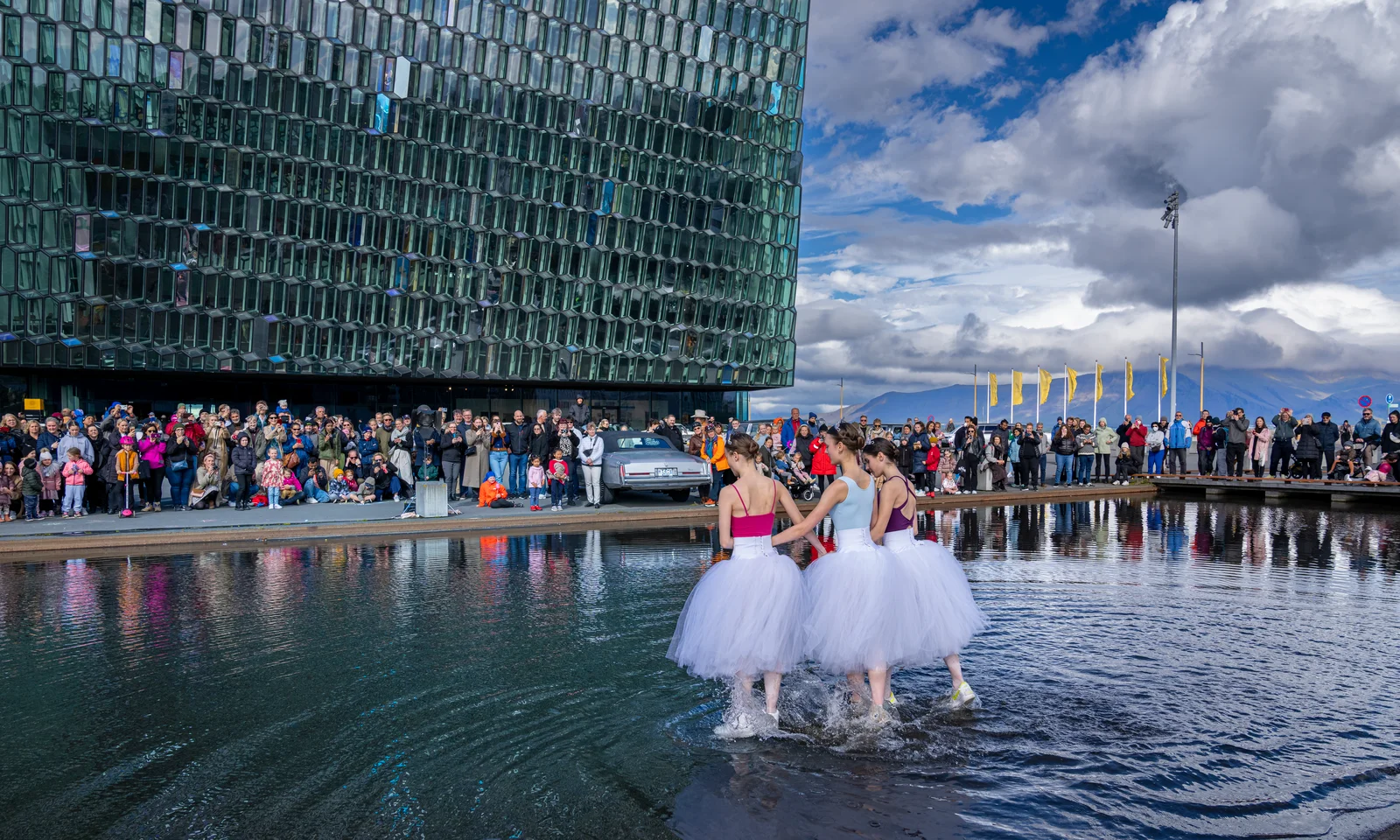
Proof that Icelandic culture isn't a static museum piece. Sometimes it wears a tutu, leaps through the public square, and splashes the front row. Happy Menningarnótt! Photo: Ragnar Th. Sigurdsson
The parliamentarians Svava Jakobsdóttir and Sigurlaug Bjarnadóttir deliver a speech to motivate the members of parliament on Women’s Day in 1975. Photographer unknown. Preservation: Women’s History Archive of Iceland.
Geothermal hot water has made Iceland a global destination for spa and wellness tourism, with facilities like the Forest Lagoon in North Iceland offering year-round relaxation in naturally heated pools surrounded by nature.
A Brief History
Reykjavík Culture Night started in 1996 to mark the city’s 210th anniversary. The goal was simple: free cultural events for anyone who wanted them, no ticket required.
Inspired by European “White Night” festivals, organizers wanted to create a day where the city’s culture felt like it belonged to every resident and guest. What started as a modest evening program has grown into a full-day celebration that defines the Icelandic summer.
What to Expect: From Morning to Midnight
The day is split into two distinct energies: the active morning and the celebratory evening.
The Morning Marathon: The day begins early with the Reykjavík Marathon. Runners from around the world take to the streets, with multiple distances available. The finish line at Hljómskálagarðurinn Park is full of energy, food trucks, and families cheering on the participants.
The Afternoon "Waffle" Tradition: In the Þingholt neighborhood, look for homes with signs inviting people in for waffles. This is a long-standing tradition in which locals open their kitchens to share a snack and conversation with passersby.
Free Cultural Access: All city museums and galleries are free. You might find a choir performing in a library, a fashion show in a storefront, or a heavy metal band playing in a backyard.
The Concerts: Two main stages, typically at Arnarhóll Hill and Hljómskálagarðurinn Park, host a rotating lineup of Iceland’s top musicians. These concerts are open and relaxed, with no wristbands or barriers.
The Fireworks Finale: The night closes with an amazing fireworks display over the harbor. It is the traditional signal that the official festival has ended, though many restaurants and bars stay lively long after the fireworks go quiet.
A Brief History
Reykjavík Culture Night started in 1996 to mark the city’s 210th anniversary. The goal was simple: free cultural events for anyone who wanted them, no ticket required.
Inspired by European “White Night” festivals, organizers wanted to create a day where the city’s culture felt like it belonged to every resident and guest. What started as a modest evening program has grown into a full-day celebration that defines the Icelandic summer.
What to Expect: From Morning to Midnight
The day is split into two distinct energies: the active morning and the celebratory evening.
The Morning Marathon: The day begins early with the Reykjavík Marathon. Runners from around the world take to the streets, with multiple distances available. The finish line at Hljómskálagarðurinn Park is full of energy, food trucks, and families cheering on the participants.
The Afternoon "Waffle" Tradition: In the Þingholt neighborhood, look for homes with signs inviting people in for waffles. This is a long-standing tradition in which locals open their kitchens to share a snack and conversation with passersby.
Free Cultural Access: All city museums and galleries are free. You might find a choir performing in a library, a fashion show in a storefront, or a heavy metal band playing in a backyard.
The Concerts: Two main stages, typically at Arnarhóll Hill and Hljómskálagarðurinn Park, host a rotating lineup of Iceland’s top musicians. These concerts are open and relaxed, with no wristbands or barriers.
The Fireworks Finale: The night closes with an amazing fireworks display over the harbor. It is the traditional signal that the official festival has ended, though many restaurants and bars stay lively long after the fireworks go quiet.
A Brief History
Reykjavík Culture Night started in 1996 to mark the city’s 210th anniversary. The goal was simple: free cultural events for anyone who wanted them, no ticket required.
Inspired by European “White Night” festivals, organizers wanted to create a day where the city’s culture felt like it belonged to every resident and guest. What started as a modest evening program has grown into a full-day celebration that defines the Icelandic summer.
What to Expect: From Morning to Midnight
The day is split into two distinct energies: the active morning and the celebratory evening.
The Morning Marathon: The day begins early with the Reykjavík Marathon. Runners from around the world take to the streets, with multiple distances available. The finish line at Hljómskálagarðurinn Park is full of energy, food trucks, and families cheering on the participants.
The Afternoon "Waffle" Tradition: In the Þingholt neighborhood, look for homes with signs inviting people in for waffles. This is a long-standing tradition in which locals open their kitchens to share a snack and conversation with passersby.
Free Cultural Access: All city museums and galleries are free. You might find a choir performing in a library, a fashion show in a storefront, or a heavy metal band playing in a backyard.
The Concerts: Two main stages, typically at Arnarhóll Hill and Hljómskálagarðurinn Park, host a rotating lineup of Iceland’s top musicians. These concerts are open and relaxed, with no wristbands or barriers.
The Fireworks Finale: The night closes with an amazing fireworks display over the harbor. It is the traditional signal that the official festival has ended, though many restaurants and bars stay lively long after the fireworks go quiet.
From historical garments on the streets to thousands gathering for live music and dancers transforming public squares into temporary stages. This is the real engine of Culture Night—a community honoring its heritage while fearlessly creating the unexpected. Photos: Ragnar Th. Sigurdsson
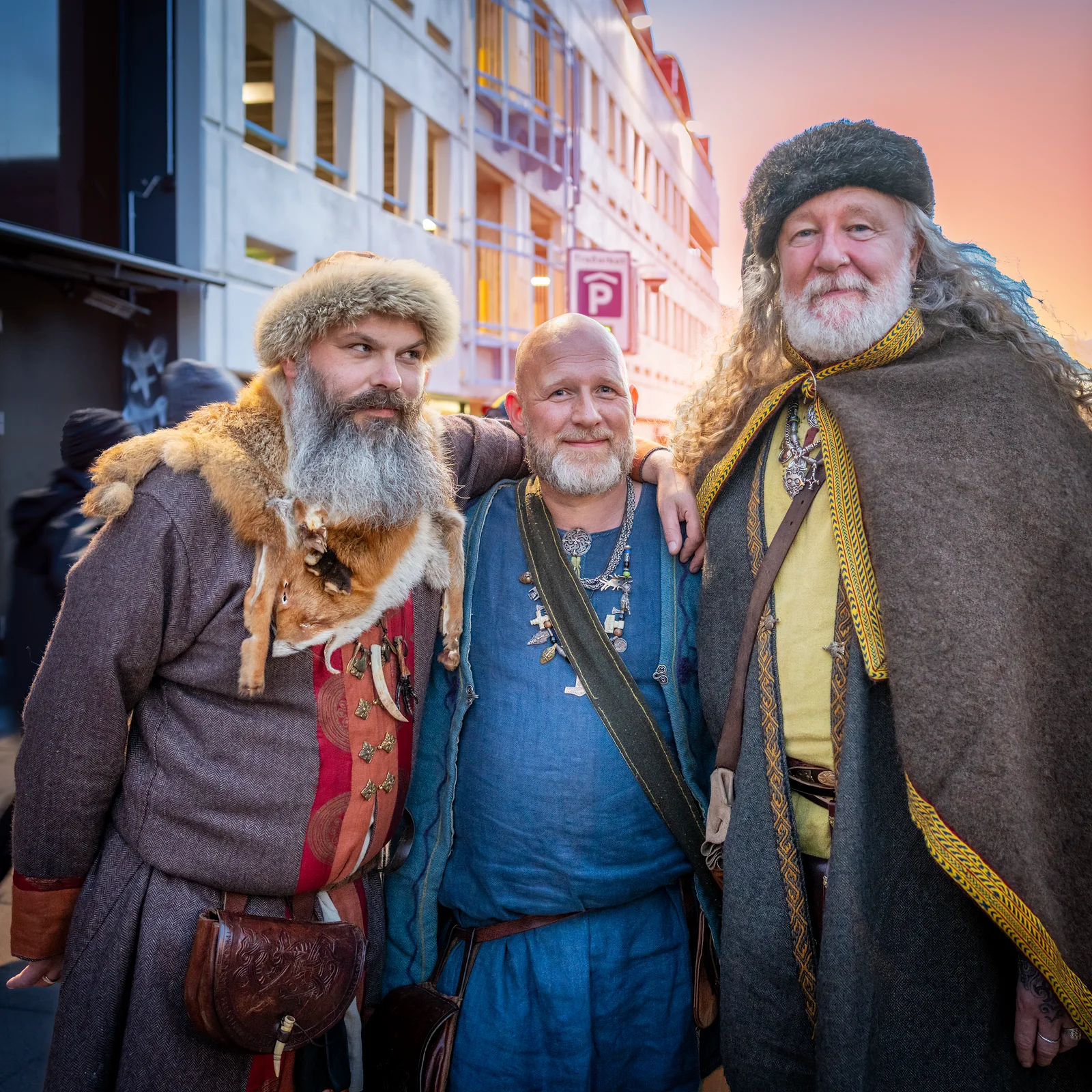
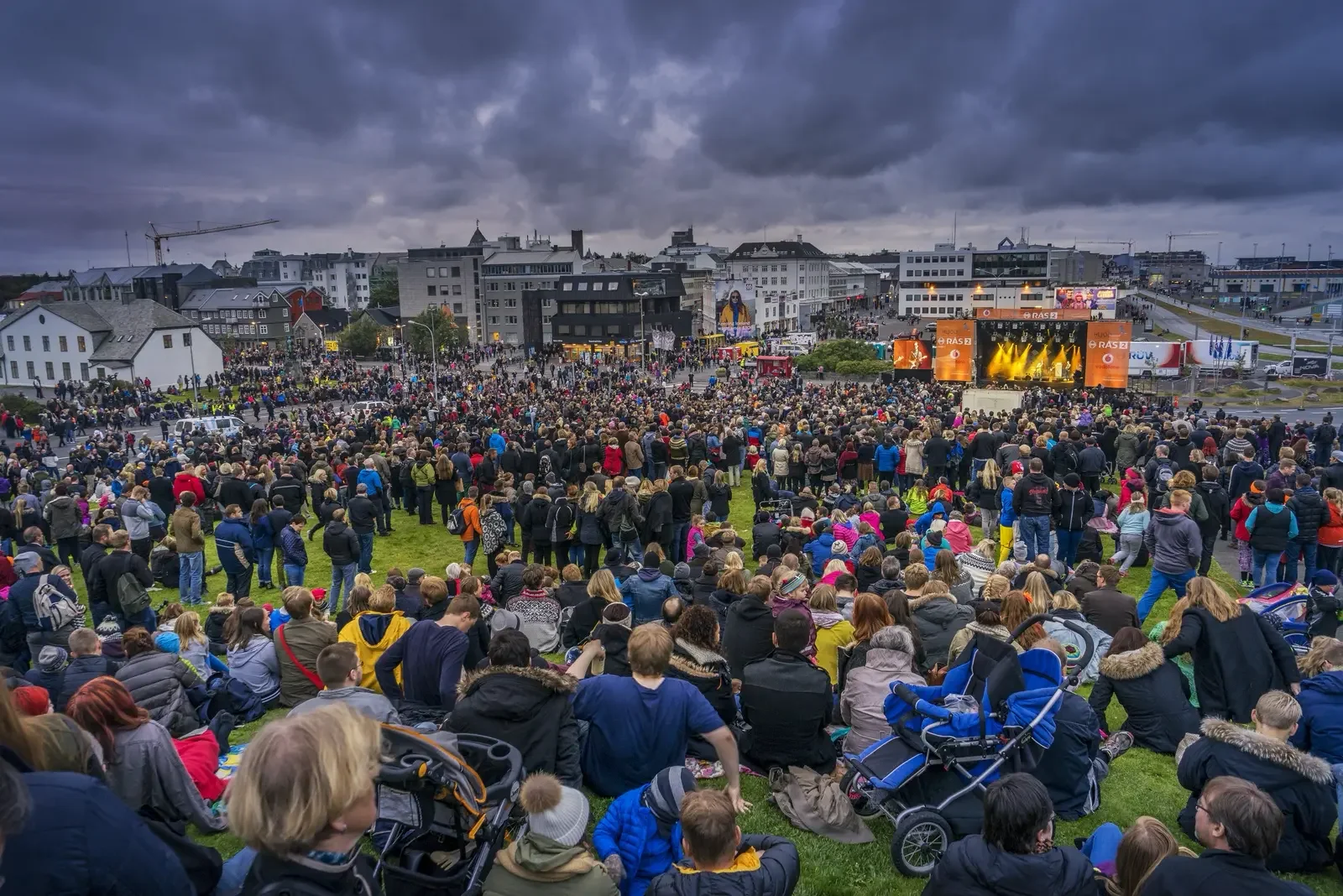
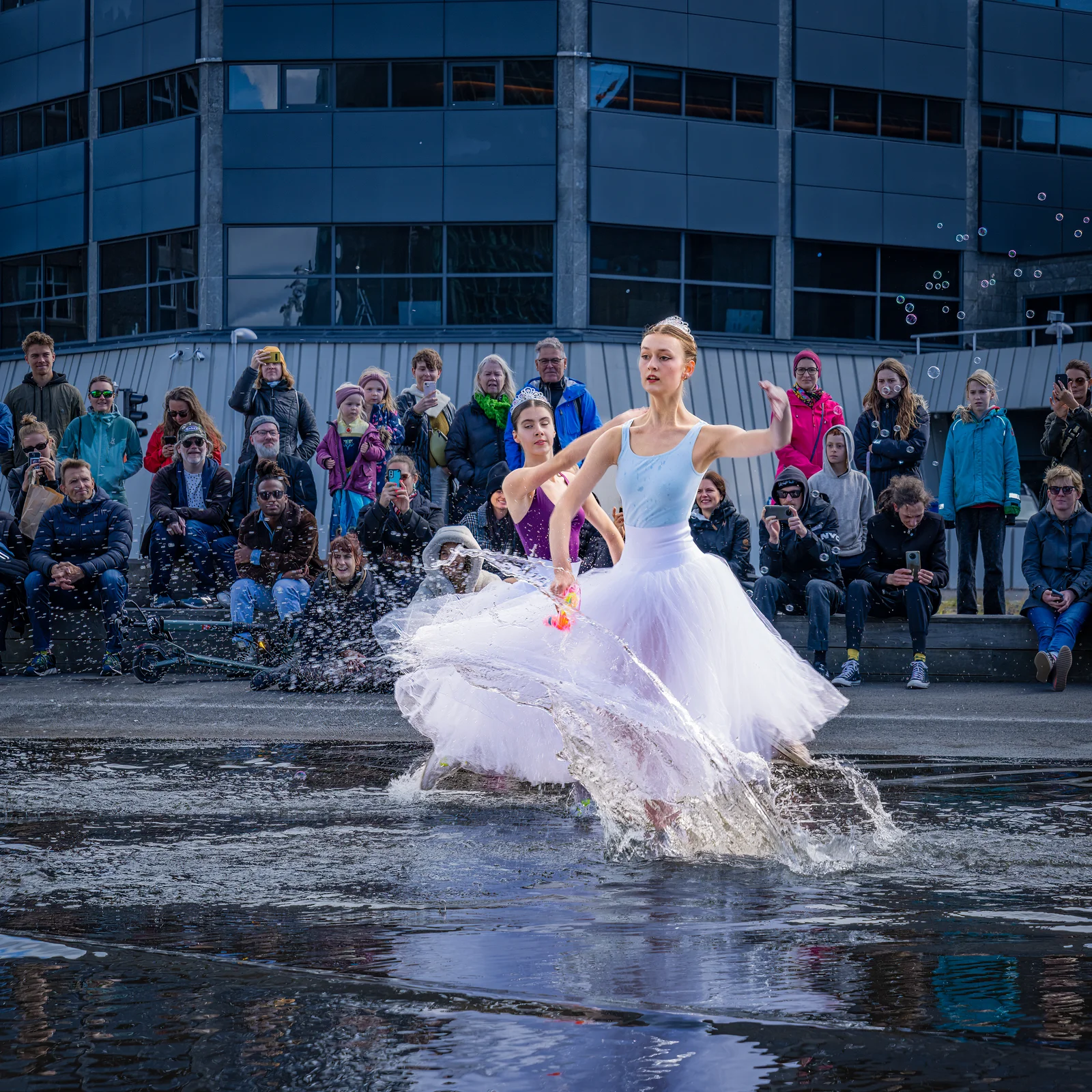
From historical garments on the streets to thousands gathering for live music and dancers transforming public squares into temporary stages. This is the real engine of Culture Night—a community honoring its heritage while fearlessly creating the unexpected. Photos: Ragnar Th. Sigurdsson
From historical garments on the streets to thousands gathering for live music and dancers transforming public squares into temporary stages. This is the real engine of Culture Night—a community honoring its heritage while fearlessly creating the unexpected. Photos: Ragnar Th. Sigurdsson
Tips for Visiting Culture Night in Iceland
A little planning goes a long way on Culture Night. Here are a few things worth knowing before you go:
August evenings in Reykjavík can be cool, so layers are a good idea regardless of the forecast.
Wear comfortable shoes, as most of the day is spent walking through the city center.
Go on foot if you can, since the city center gets busy and walking is often faster.
Bring a card or some cash for food stalls and coffee stops along the way.
If you plan to run the marathon, sign up well in advance.
Who should attend Reykjavík Culture Night?
Reykjavík Culture Night is designed for everyone. Families gravitate toward the daytime workshops and interactive art exhibits, while the evening caters to music lovers and social seekers. Because the event is decentralized, it is easy to find a quiet corner for a coffee or a loud street for a concert, making it equally suitable for solo travelers and large groups.
Plan Your Trip to Reykjavík Culture Night
If you are planning your visit to Reykjavík in August and looking for things to do, Culture Night is one of the best days to experience the city. Free museums, live music, waffles from a stranger’s garden, and fireworks over Arnarhóll, all in one Saturday. It is a pretty good deal.
Check the full Culture Night program before you travel to see what is on that year. And if one day in Reykjavík leaves you wanting more, Iceland has plenty waiting in every season and every corner of the country.
Tips for Visiting Culture Night in Iceland
A little planning goes a long way on Culture Night. Here are a few things worth knowing before you go:
August evenings in Reykjavík can be cool, so layers are a good idea regardless of the forecast.
Wear comfortable shoes, as most of the day is spent walking through the city center.
Go on foot if you can, since the city center gets busy and walking is often faster.
Bring a card or some cash for food stalls and coffee stops along the way.
If you plan to run the marathon, sign up well in advance.
Who should attend Reykjavík Culture Night?
Reykjavík Culture Night is designed for everyone. Families gravitate toward the daytime workshops and interactive art exhibits, while the evening caters to music lovers and social seekers. Because the event is decentralized, it is easy to find a quiet corner for a coffee or a loud street for a concert, making it equally suitable for solo travelers and large groups.
Plan Your Trip to Reykjavík Culture Night
If you are planning your visit to Reykjavík in August and looking for things to do, Culture Night is one of the best days to experience the city. Free museums, live music, waffles from a stranger’s garden, and fireworks over Arnarhóll, all in one Saturday. It is a pretty good deal.
Check the full Culture Night program before you travel to see what is on that year. And if one day in Reykjavík leaves you wanting more, Iceland has plenty waiting in every season and every corner of the country.
“We have the vote,” said writer and parliamentarian Svava Jakobsdóttir, speaking at Reykjavík’s Women’s Day Off rally on October 24, 1975. “And we’re proud of it. But what we seem to forget is that we also fought for the right to run for office.”
Her words came six decades after Icelandic women had won the vote. Yet by 1975, only nine women had ever served in parliament. At the time, just three women, a mere 5% of Alþingi members, held seats, and that was the highest number to date. Only one woman had ever served as a cabinet minister, and for just one year, in 1970.
In comparison, the other Nordic countries had already moved ahead, with women making up 14–26% of their national parliaments and frequently serving in government. Local representation in Iceland was even lower: women made up less than 4% of municipal representatives in 1975.