•
Inside Pocket Universe: Iceland at the 2026 Venice Biennale
Read Time
5 min
•
Inside Pocket Universe: Iceland at the 2026 Venice Biennale
Read Time
5 min
•
Inside Pocket Universe: Iceland at the 2026 Venice Biennale
Read Time
5 min
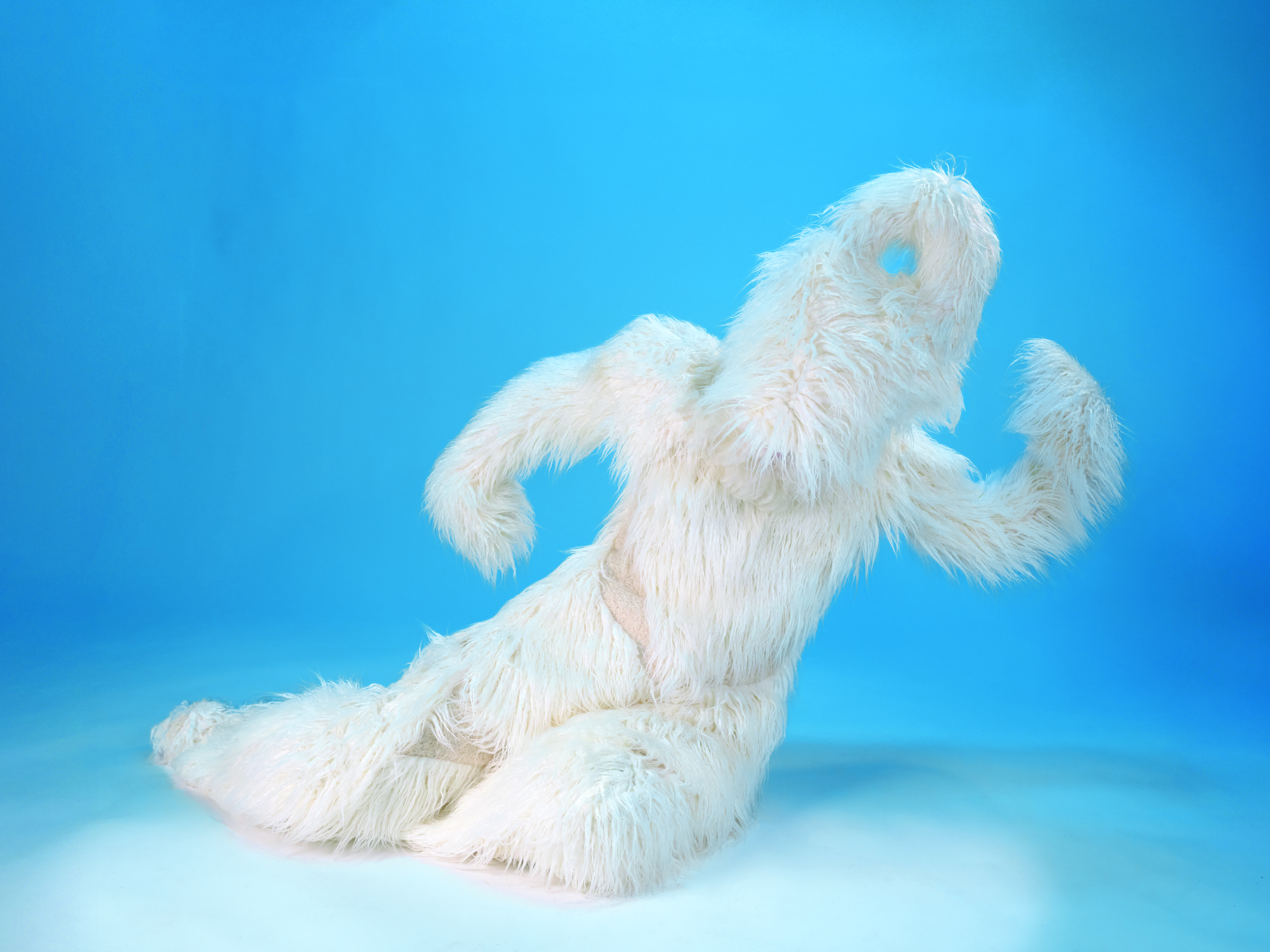
What would you keep in a pocket the size of a universe?
Artist Ásta Fanney Sigurðardóttir builds Iceland’s 2026 pavilion around the question. The Icelandic word vasi means both “vase” and “pocket.” The language carries that double meaning forward from Old Norse, where one word often did the work of several. That small linguistic coincidence sits at the heart of Pocket Universe, Iceland’s exhibition at the 61st International Art Exhibition, Venice Biennale.
For artist Ásta Fanney Sigurðardóttir, that shared word opens a doorway. If a vase can also be a pocket, then perhaps the vessel from the myth of Pandora is not a container of woes but something closer to a personal reserve, an inexhaustible pocket of hope you can carry with you.
Pocket Universe runs from May 9 to November 22, 2026, at Docks Cantieri Cucchini in the San Pietro di Castello district of Venice. The exhibition is curated by Margrét Áskelsdóttir and Unnar Örn, and commissioned by the Icelandic Art Center on behalf of the Ministry of Culture, Innovation and Higher Education. The National Gallery of Iceland is an official partner.
What would you keep in a pocket the size of a universe?
Artist Ásta Fanney Sigurðardóttir builds Iceland’s 2026 pavilion around the question. The Icelandic word vasi means both “vase” and “pocket.” The language carries that double meaning forward from Old Norse, where one word often did the work of several. That small linguistic coincidence sits at the heart of Pocket Universe, Iceland’s exhibition at the 61st International Art Exhibition, Venice Biennale.
For artist Ásta Fanney Sigurðardóttir, that shared word opens a doorway. If a vase can also be a pocket, then perhaps the vessel from the myth of Pandora is not a container of woes but something closer to a personal reserve, an inexhaustible pocket of hope you can carry with you.
Pocket Universe runs from May 9 to November 22, 2026, at Docks Cantieri Cucchini in the San Pietro di Castello district of Venice. The exhibition is curated by Margrét Áskelsdóttir and Unnar Örn, and commissioned by the Icelandic Art Center on behalf of the Ministry of Culture, Innovation and Higher Education. The National Gallery of Iceland is an official partner.
What would you keep in a pocket the size of a universe?
Artist Ásta Fanney Sigurðardóttir builds Iceland’s 2026 pavilion around the question. The Icelandic word vasi means both “vase” and “pocket.” The language carries that double meaning forward from Old Norse, where one word often did the work of several. That small linguistic coincidence sits at the heart of Pocket Universe, Iceland’s exhibition at the 61st International Art Exhibition, Venice Biennale.
For artist Ásta Fanney Sigurðardóttir, that shared word opens a doorway. If a vase can also be a pocket, then perhaps the vessel from the myth of Pandora is not a container of woes but something closer to a personal reserve, an inexhaustible pocket of hope you can carry with you.
Pocket Universe runs from May 9 to November 22, 2026, at Docks Cantieri Cucchini in the San Pietro di Castello district of Venice. The exhibition is curated by Margrét Áskelsdóttir and Unnar Örn, and commissioned by the Icelandic Art Center on behalf of the Ministry of Culture, Innovation and Higher Education. The National Gallery of Iceland is an official partner.
Wind, laughter, and a Venice-bound trio: artist Ásta Fanney Sigurðardóttir with curators Margrét Áskelsdóttir and Unnar Örn. Photo: Laimonas Dom Baranauskas © Sunday & White Studio.
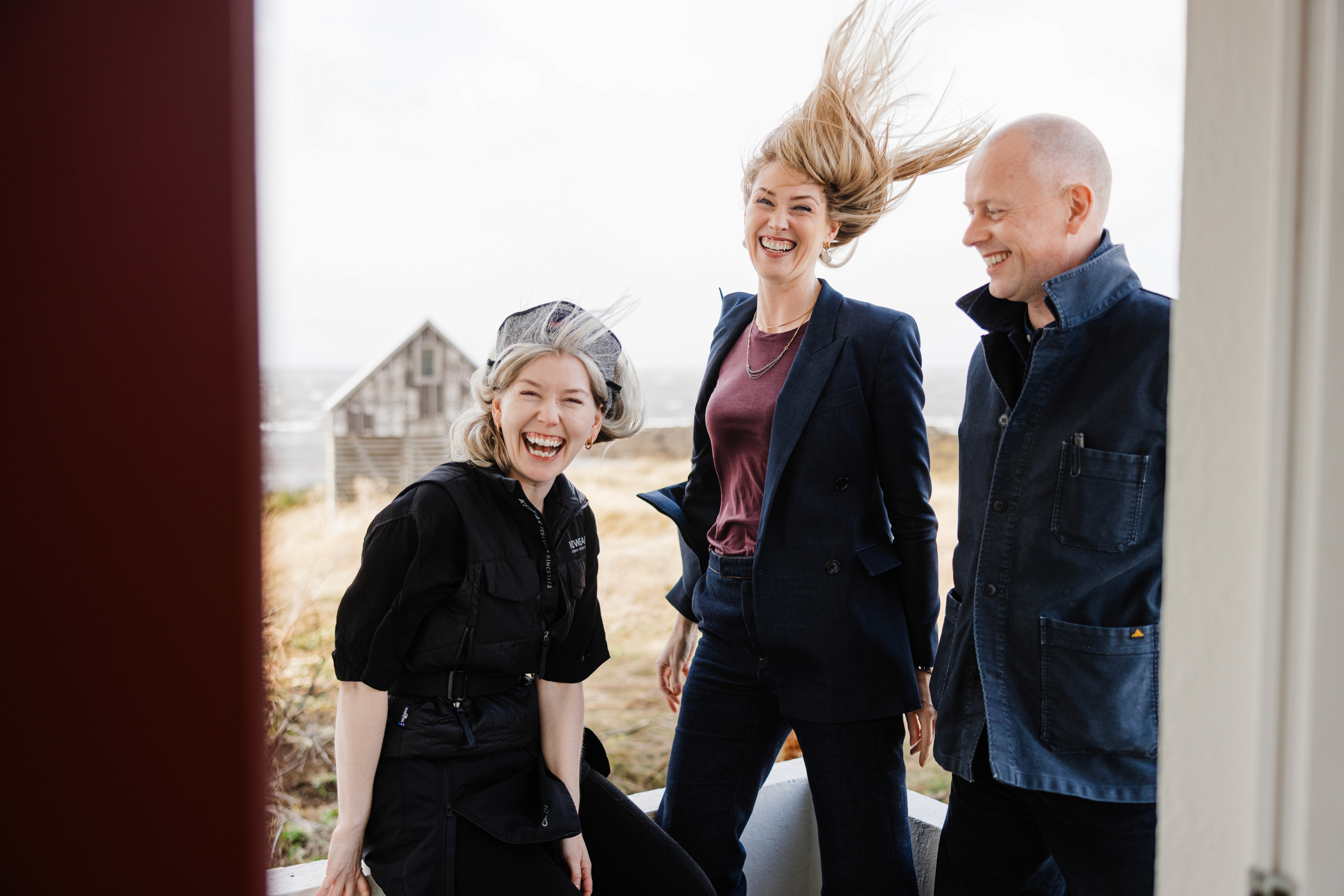
Wind, laughter, and a Venice-bound trio: artist Ásta Fanney Sigurðardóttir with curators Margrét Áskelsdóttir and Unnar Örn. Photo: Laimonas Dom Baranauskas © Sunday & White Studio.
Wind, laughter, and a Venice-bound trio: artist Ásta Fanney Sigurðardóttir with curators Margrét Áskelsdóttir and Unnar Örn. Photo: Laimonas Dom Baranauskas © Sunday & White Studio.
An artist who works between worlds
Ásta Fanney Sigurðardóttir is a poet, composer, filmmaker, and visual artist based in Reykjavík. She has published five books of poetry, and her work has appeared at the Reykjavík Art Museum, the Museum of Contemporary Art Tokyo, Casino Luxembourg, the Nobel Prize Museum in Stockholm, and the Onassis Foundation. In 2021, the Centre Pompidou in Paris nominated her for the Bernard Heidsieck Prize in recognition of her contributions to multidisciplinary art.
Publishing five books of poetry is an accomplishment in any country. In Iceland, Ásta is contributing to one of the most literary-publishing-dense cultures. Reykjavík has been a UNESCO City of Literature since 2011, and the country publishes more books per capita than almost any other country.
Her practice has been described as a form of “spiritual fluxus.” She shifts between sound, performance, moving image, sculpture, and installation, treating language as a form of ritual. Words are spoken, written, sung, and rewritten on the spot. Objects are charged with meaning, then released. Improvisation, humor, and audience presence are essential ingredients in Ásta’s work.
The work resists fixed interpretation, leaning instead on atmosphere, intuition, and the small clues a viewer might pick up along the way.
“We are at the threshold of different times,” Ásta said of the project. “In moments like this, imagination and intuition have the capacity to orient us, to offer a sense of direction for where we might be heading. I believe small things can spark large actions.”
An artist who works between worlds
Ásta Fanney Sigurðardóttir is a poet, composer, filmmaker, and visual artist based in Reykjavík. She has published five books of poetry, and her work has appeared at the Reykjavík Art Museum, the Museum of Contemporary Art Tokyo, Casino Luxembourg, the Nobel Prize Museum in Stockholm, and the Onassis Foundation. In 2021, the Centre Pompidou in Paris nominated her for the Bernard Heidsieck Prize in recognition of her contributions to multidisciplinary art.
Publishing five books of poetry is an accomplishment in any country. In Iceland, Ásta is contributing to one of the most literary-publishing-dense cultures. Reykjavík has been a UNESCO City of Literature since 2011, and the country publishes more books per capita than almost any other country.
Her practice has been described as a form of “spiritual fluxus.” She shifts between sound, performance, moving image, sculpture, and installation, treating language as a form of ritual. Words are spoken, written, sung, and rewritten on the spot. Objects are charged with meaning, then released. Improvisation, humor, and audience presence are essential ingredients in Ásta’s work.
The work resists fixed interpretation, leaning instead on atmosphere, intuition, and the small clues a viewer might pick up along the way.
“We are at the threshold of different times,” Ásta said of the project. “In moments like this, imagination and intuition have the capacity to orient us, to offer a sense of direction for where we might be heading. I believe small things can spark large actions.”
An artist who works between worlds
Ásta Fanney Sigurðardóttir is a poet, composer, filmmaker, and visual artist based in Reykjavík. She has published five books of poetry, and her work has appeared at the Reykjavík Art Museum, the Museum of Contemporary Art Tokyo, Casino Luxembourg, the Nobel Prize Museum in Stockholm, and the Onassis Foundation. In 2021, the Centre Pompidou in Paris nominated her for the Bernard Heidsieck Prize in recognition of her contributions to multidisciplinary art.
Publishing five books of poetry is an accomplishment in any country. In Iceland, Ásta is contributing to one of the most literary-publishing-dense cultures. Reykjavík has been a UNESCO City of Literature since 2011, and the country publishes more books per capita than almost any other country.
Her practice has been described as a form of “spiritual fluxus.” She shifts between sound, performance, moving image, sculpture, and installation, treating language as a form of ritual. Words are spoken, written, sung, and rewritten on the spot. Objects are charged with meaning, then released. Improvisation, humor, and audience presence are essential ingredients in Ásta’s work.
The work resists fixed interpretation, leaning instead on atmosphere, intuition, and the small clues a viewer might pick up along the way.
“We are at the threshold of different times,” Ásta said of the project. “In moments like this, imagination and intuition have the capacity to orient us, to offer a sense of direction for where we might be heading. I believe small things can spark large actions.”
Three works by Ásta Fanney Sigurðardóttir spanning film, performance, and sculpture: Munnhola, obol ombla obla (2021), Hyena Opera (2023), and Venus Gnome. Courtesy of the artist and the Icelandic Pavilion.
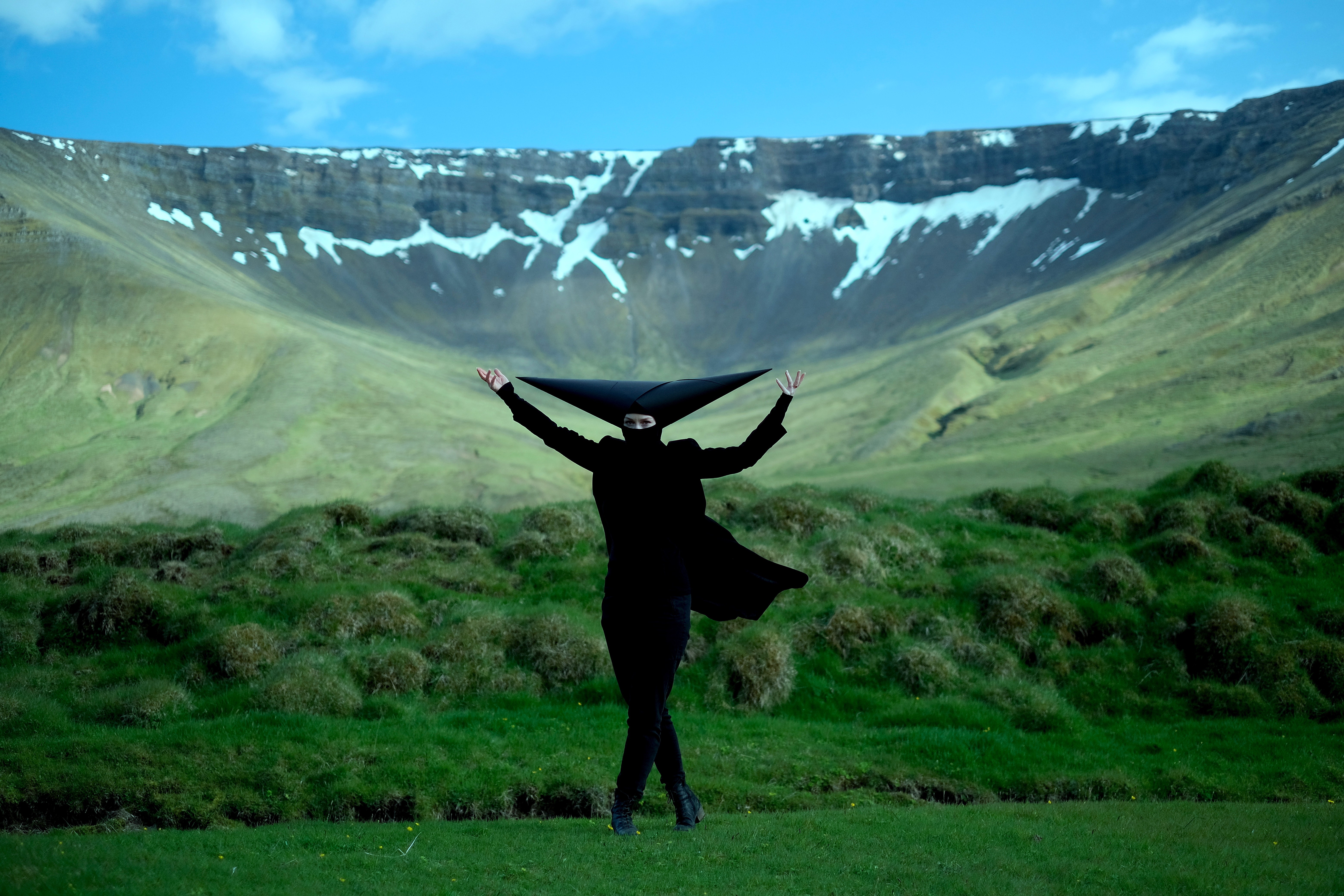
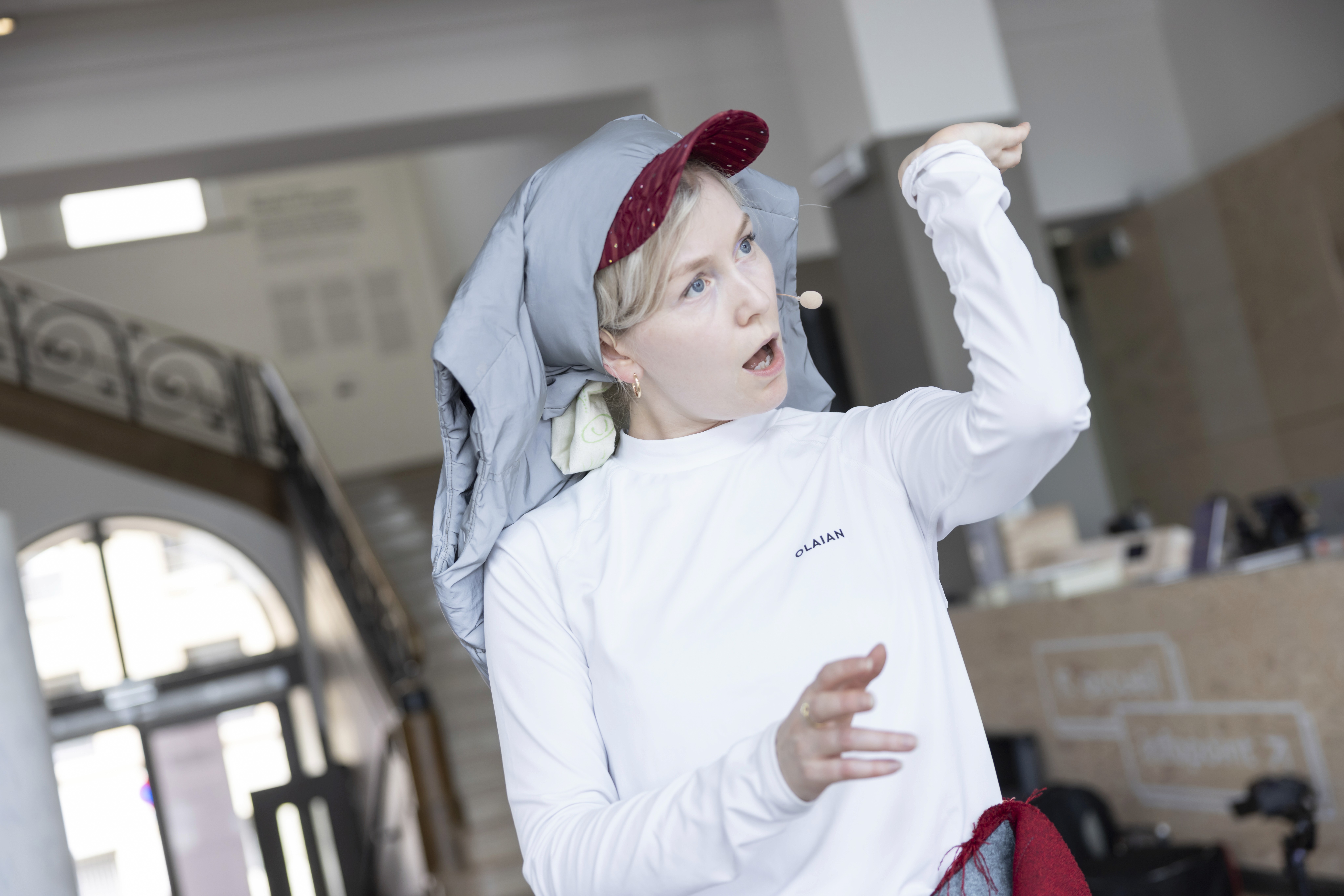
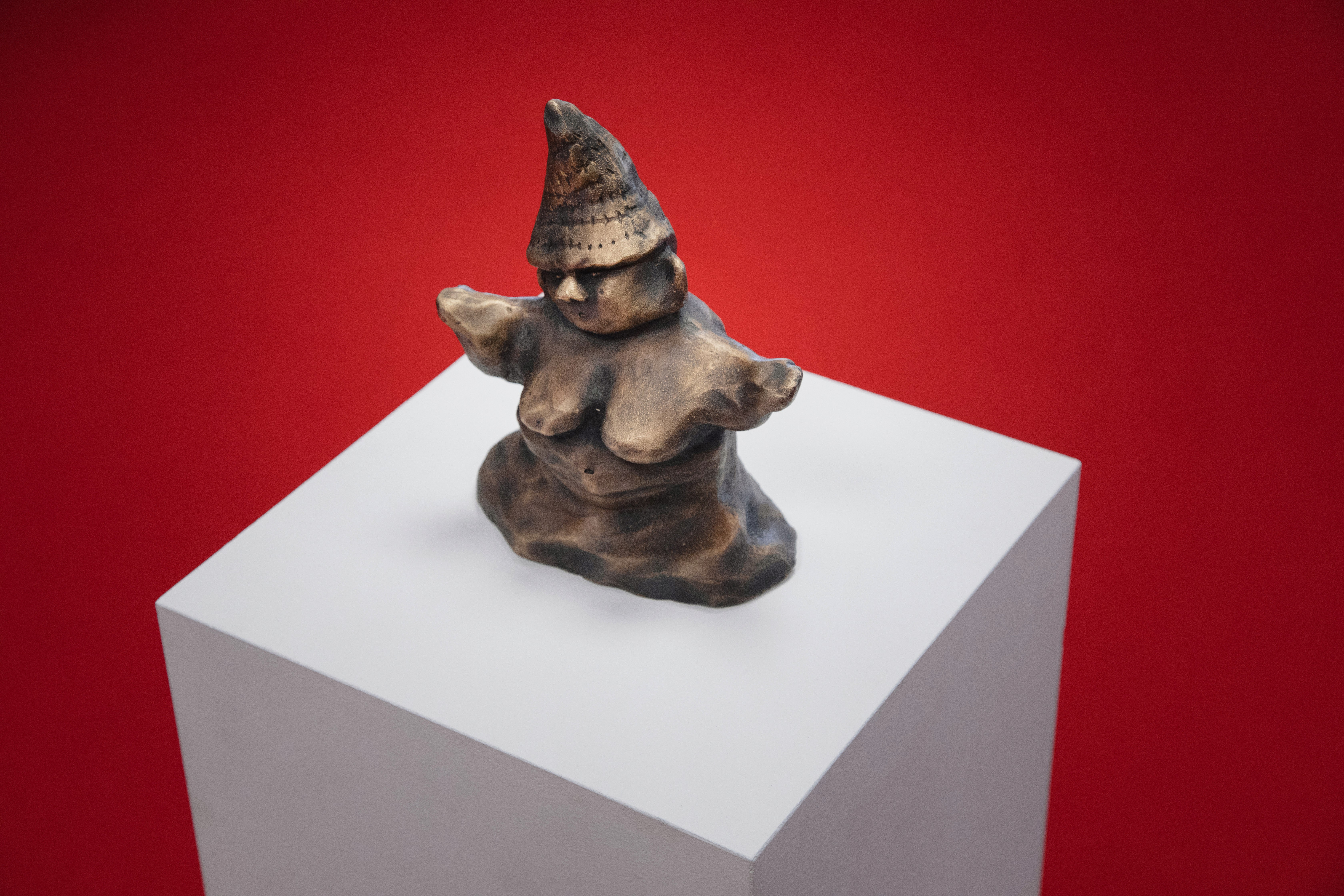
Three works by Ásta Fanney Sigurðardóttir spanning film, performance, and sculpture: Munnhola, obol ombla obla (2021), Hyena Opera (2023), and Venus Gnome. Courtesy of the artist and the Icelandic Pavilion.
Three works by Ásta Fanney Sigurðardóttir spanning film, performance, and sculpture: Munnhola, obol ombla obla (2021), Hyena Opera (2023), and Venus Gnome. Courtesy of the artist and the Icelandic Pavilion.
What Venice visitors will find
Pocket Universe is staged in and around a former Venetian shipyard that once built vessels for the city throughout the 19th and early 20th centuries. The setting is fitting for a project about beginnings, journeys, and the risks of launching out into the world. Boats appear in the work itself. Voices call out. Lights guide the way.
Rather than a single fixed display, the exhibition unfolds as a constellation of encounters. Sound, sculpture, performance, and moving image surface together across interconnected indoor and outdoor spaces. Some elements are quiet and contemplative. Others are playful, even surreal. Performances appear unexpectedly, then recede, with the artist herself activating objects through her presence over the course of the eight-month run.
At the center of the presentation is a moving-image work featuring a character called Creature Zero, who sets out to search for the “original rock,” imagined as the first step in the creation of the earth. Filmed across sites associated with invisible or mystical energies, the film draws on stories and myths from different cultures and weaves them into a shared, universal tale of world-making.
The “original rock” is a useful image anywhere. However, it plays out differently in Iceland, where the ground is visibly splitting apart and is still being made through active volcanism. The island of Surtsey rose from the sea through subsea volcanic eruptions between 1963 and 1967. World-making here is not entirely metaphorical.
Across the exhibition, charms, orbs, and small charged objects appear as carriers of belief. Game-like structures suggest familiar rules but withhold their outcomes, leaving room for chance, return, and the navigation of uncertainty. The result is less a spectacle than an invitation to wander, linger, and follow your own thread.
The themes are not random. Iceland has a long, casual relationship with the unseen, from hidden “huldufólk” in the lava fields to aborted road plans that politely route around elf stones. Ásta’s charms and talismans land in a culture that still leaves room for what cannot be seen or measured.
What Venice visitors will find
Pocket Universe is staged in and around a former Venetian shipyard that once built vessels for the city throughout the 19th and early 20th centuries. The setting is fitting for a project about beginnings, journeys, and the risks of launching out into the world. Boats appear in the work itself. Voices call out. Lights guide the way.
Rather than a single fixed display, the exhibition unfolds as a constellation of encounters. Sound, sculpture, performance, and moving image surface together across interconnected indoor and outdoor spaces. Some elements are quiet and contemplative. Others are playful, even surreal. Performances appear unexpectedly, then recede, with the artist herself activating objects through her presence over the course of the eight-month run.
At the center of the presentation is a moving-image work featuring a character called Creature Zero, who sets out to search for the “original rock,” imagined as the first step in the creation of the earth. Filmed across sites associated with invisible or mystical energies, the film draws on stories and myths from different cultures and weaves them into a shared, universal tale of world-making.
The “original rock” is a useful image anywhere. However, it plays out differently in Iceland, where the ground is visibly splitting apart and is still being made through active volcanism. The island of Surtsey rose from the sea through subsea volcanic eruptions between 1963 and 1967. World-making here is not entirely metaphorical.
Across the exhibition, charms, orbs, and small charged objects appear as carriers of belief. Game-like structures suggest familiar rules but withhold their outcomes, leaving room for chance, return, and the navigation of uncertainty. The result is less a spectacle than an invitation to wander, linger, and follow your own thread.
The themes are not random. Iceland has a long, casual relationship with the unseen, from hidden “huldufólk” in the lava fields to aborted road plans that politely route around elf stones. Ásta’s charms and talismans land in a culture that still leaves room for what cannot be seen or measured.
What Venice visitors will find
Pocket Universe is staged in and around a former Venetian shipyard that once built vessels for the city throughout the 19th and early 20th centuries. The setting is fitting for a project about beginnings, journeys, and the risks of launching out into the world. Boats appear in the work itself. Voices call out. Lights guide the way.
Rather than a single fixed display, the exhibition unfolds as a constellation of encounters. Sound, sculpture, performance, and moving image surface together across interconnected indoor and outdoor spaces. Some elements are quiet and contemplative. Others are playful, even surreal. Performances appear unexpectedly, then recede, with the artist herself activating objects through her presence over the course of the eight-month run.
At the center of the presentation is a moving-image work featuring a character called Creature Zero, who sets out to search for the “original rock,” imagined as the first step in the creation of the earth. Filmed across sites associated with invisible or mystical energies, the film draws on stories and myths from different cultures and weaves them into a shared, universal tale of world-making.
The “original rock” is a useful image anywhere. However, it plays out differently in Iceland, where the ground is visibly splitting apart and is still being made through active volcanism. The island of Surtsey rose from the sea through subsea volcanic eruptions between 1963 and 1967. World-making here is not entirely metaphorical.
Across the exhibition, charms, orbs, and small charged objects appear as carriers of belief. Game-like structures suggest familiar rules but withhold their outcomes, leaving room for chance, return, and the navigation of uncertainty. The result is less a spectacle than an invitation to wander, linger, and follow your own thread.
The themes are not random. Iceland has a long, casual relationship with the unseen, from hidden “huldufólk” in the lava fields to aborted road plans that politely route around elf stones. Ásta’s charms and talismans land in a culture that still leaves room for what cannot be seen or measured.
From a live ritual in Athens to a portrait of Creature Zero and an ensemble at Harpa: three works that lead toward Pocket Universe. Ásta Fanney Sigurðardóttir's Vowel step, Portrait no.2 of Creature Zero, and The Concert. Courtesy of the artist and the Icelandic Pavilion.
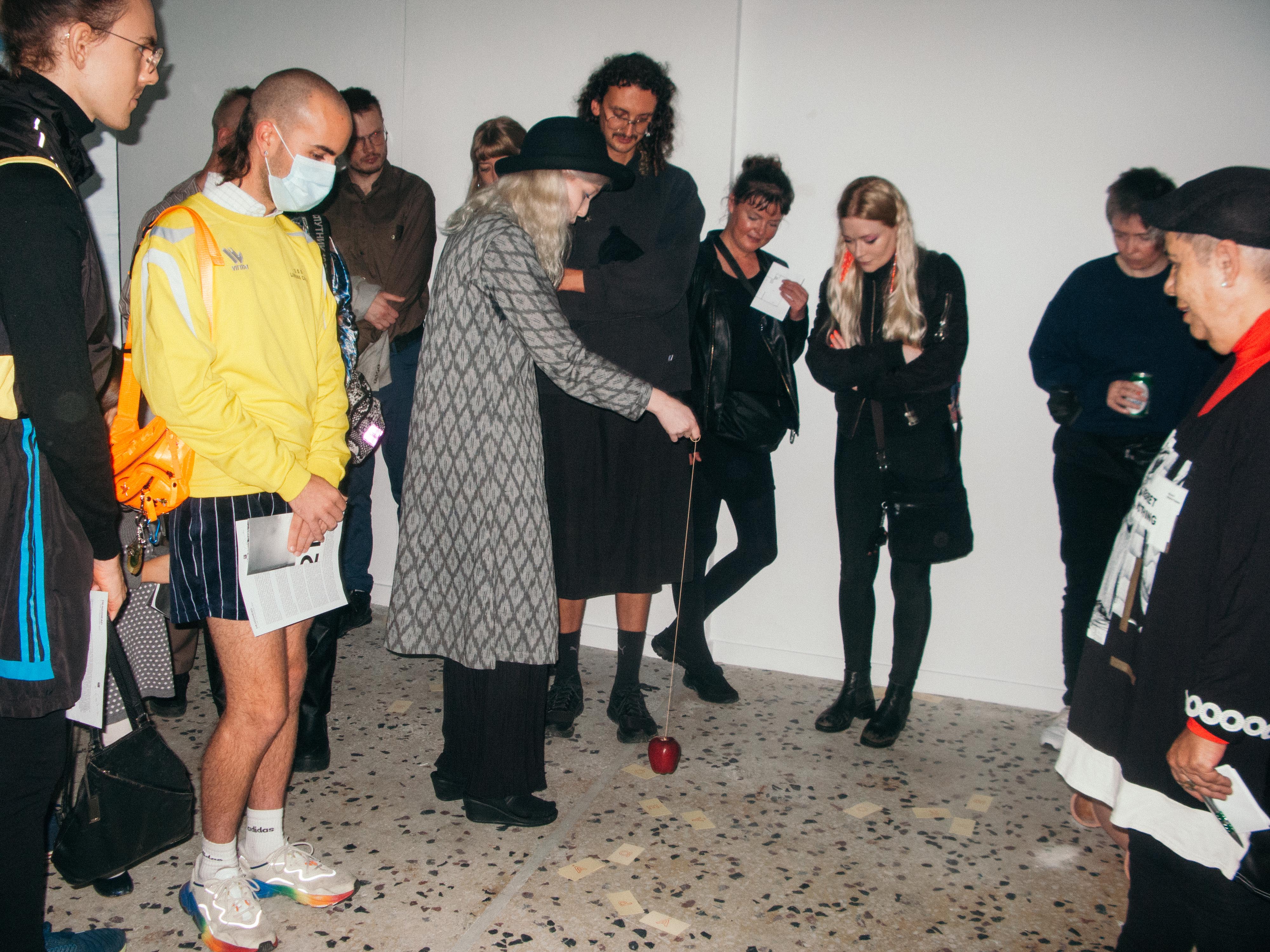
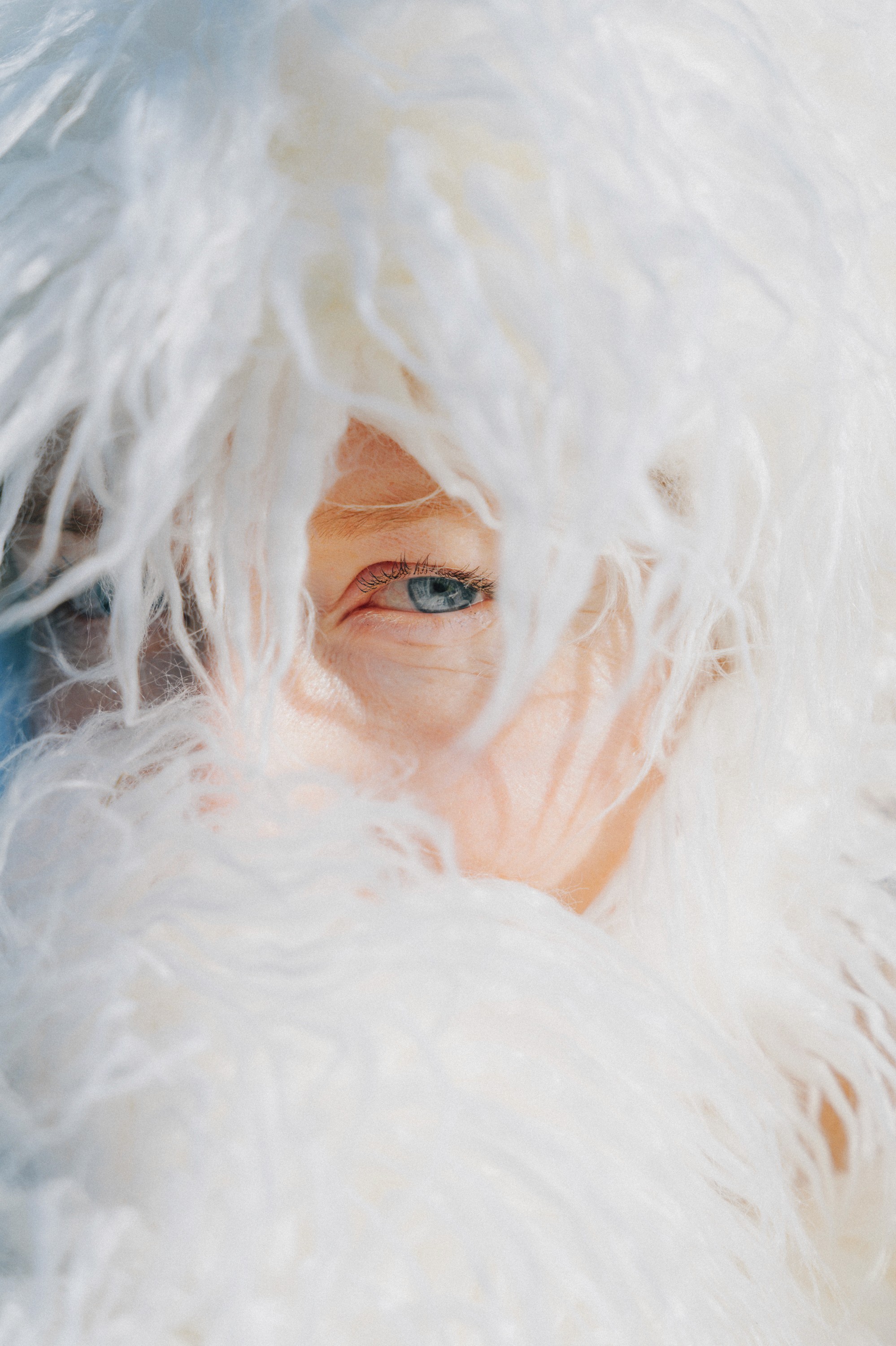
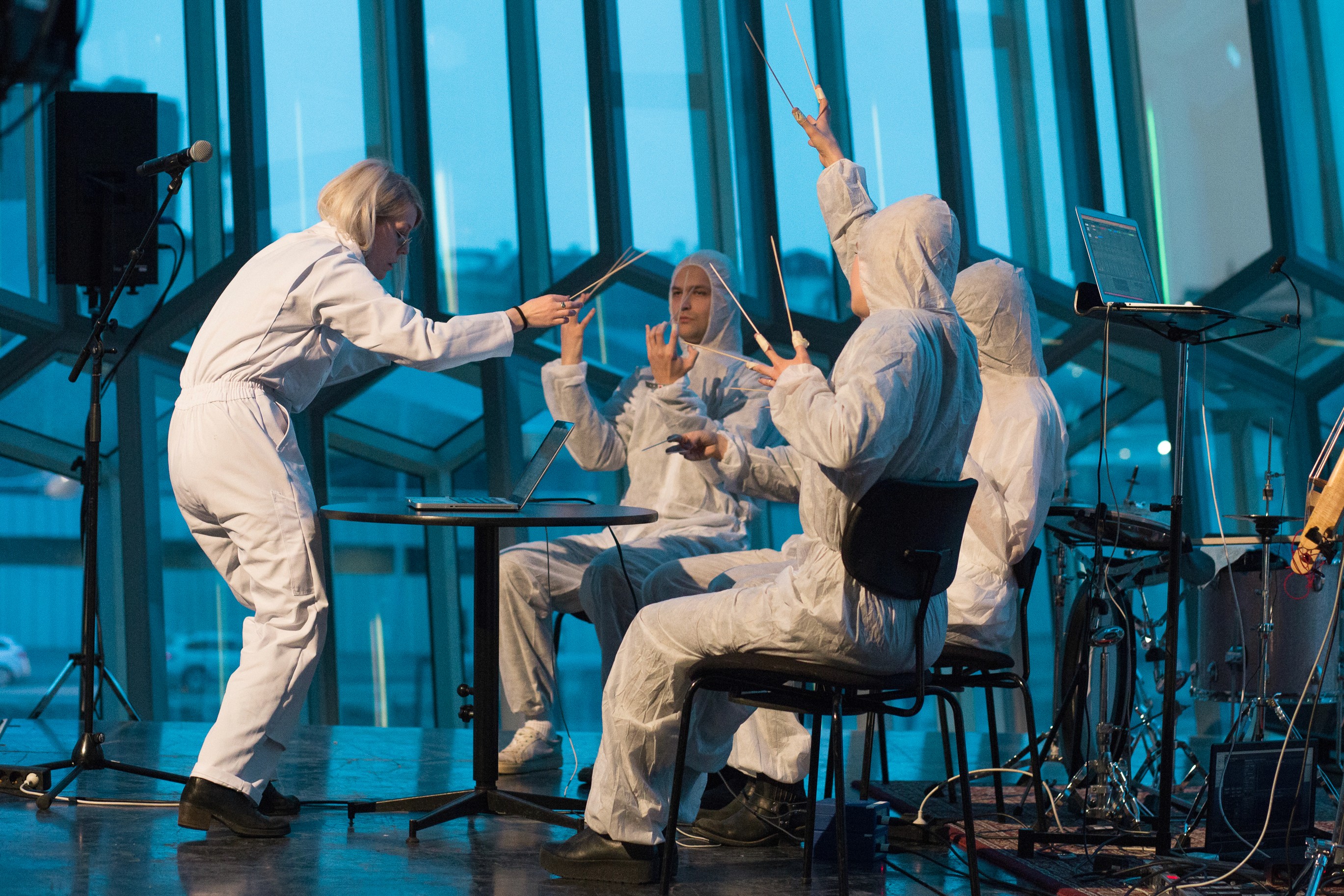
From a live ritual in Athens to a portrait of Creature Zero and an ensemble at Harpa: three works that lead toward Pocket Universe. Ásta Fanney Sigurðardóttir's Vowel step, Portrait no.2 of Creature Zero, and The Concert. Courtesy of the artist and the Icelandic Pavilion.
From a live ritual in Athens to a portrait of Creature Zero and an ensemble at Harpa: three works that lead toward Pocket Universe. Ásta Fanney Sigurðardóttir's Vowel step, Portrait no.2 of Creature Zero, and The Concert. Courtesy of the artist and the Icelandic Pavilion.
A quieter kind of hope
Where many recent biennales have leaned into critique and fragmentation, Pocket Universe takes a different position. It proposes that imagination itself is a tool, and that what we choose to believe in shapes what becomes possible.
“I see the Pavilion as a reminder, a reminder of our inner power,” curator Margrét Áskelsdóttir said. “Speaking through charms, myths, and objects associated with intangible energy, the exhibition suggests that what we choose to believe in shapes what becomes possible. Rather than focusing on critique or fragmentation, Ásta offers a quieter, more hopeful mode of engagement, opening a space for interaction, contemplation, and the imagining of alternative ways of thinking, and reminding us of the invisible threads, like the sky above, that connect us all.”
That gentleness is intentional. Ásta has spoken about a “...gentle rebellion in choosing to be present” within a world that constantly pulls at our attention, and about imagination as a tool not for escape but for shifting how we look at things, for seeing challenges as openings rather than dead ends.
A new home in Venice
The 2026 edition marks a new location for the Icelandic Pavilion. Docks Cantieri Cucchini sits between the Giardini and the Arsenale, the Biennale’s two principal venues, placing Iceland at the geographic center of the event. The shipyard’s worn industrial architecture, paired with its proximity to the lagoon, gives the work room to breathe across rooms, courtyards, and water-edge views.
Roughly 750,000 people visit the Venice Biennale during its eight-month opening cycle. Past Icelandic pavilions have drawn around 30,000 visitors, a notable showing for a country of just under 400,000.
A quieter kind of hope
Where many recent biennales have leaned into critique and fragmentation, Pocket Universe takes a different position. It proposes that imagination itself is a tool, and that what we choose to believe in shapes what becomes possible.
“I see the Pavilion as a reminder, a reminder of our inner power,” curator Margrét Áskelsdóttir said. “Speaking through charms, myths, and objects associated with intangible energy, the exhibition suggests that what we choose to believe in shapes what becomes possible. Rather than focusing on critique or fragmentation, Ásta offers a quieter, more hopeful mode of engagement, opening a space for interaction, contemplation, and the imagining of alternative ways of thinking, and reminding us of the invisible threads, like the sky above, that connect us all.”
That gentleness is intentional. Ásta has spoken about a “...gentle rebellion in choosing to be present” within a world that constantly pulls at our attention, and about imagination as a tool not for escape but for shifting how we look at things, for seeing challenges as openings rather than dead ends.
A new home in Venice
The 2026 edition marks a new location for the Icelandic Pavilion. Docks Cantieri Cucchini sits between the Giardini and the Arsenale, the Biennale’s two principal venues, placing Iceland at the geographic center of the event. The shipyard’s worn industrial architecture, paired with its proximity to the lagoon, gives the work room to breathe across rooms, courtyards, and water-edge views.
Roughly 750,000 people visit the Venice Biennale during its eight-month opening cycle. Past Icelandic pavilions have drawn around 30,000 visitors, a notable showing for a country of just under 400,000.
A quieter kind of hope
Where many recent biennales have leaned into critique and fragmentation, Pocket Universe takes a different position. It proposes that imagination itself is a tool, and that what we choose to believe in shapes what becomes possible.
“I see the Pavilion as a reminder, a reminder of our inner power,” curator Margrét Áskelsdóttir said. “Speaking through charms, myths, and objects associated with intangible energy, the exhibition suggests that what we choose to believe in shapes what becomes possible. Rather than focusing on critique or fragmentation, Ásta offers a quieter, more hopeful mode of engagement, opening a space for interaction, contemplation, and the imagining of alternative ways of thinking, and reminding us of the invisible threads, like the sky above, that connect us all.”
That gentleness is intentional. Ásta has spoken about a “...gentle rebellion in choosing to be present” within a world that constantly pulls at our attention, and about imagination as a tool not for escape but for shifting how we look at things, for seeing challenges as openings rather than dead ends.
A new home in Venice
The 2026 edition marks a new location for the Icelandic Pavilion. Docks Cantieri Cucchini sits between the Giardini and the Arsenale, the Biennale’s two principal venues, placing Iceland at the geographic center of the event. The shipyard’s worn industrial architecture, paired with its proximity to the lagoon, gives the work room to breathe across rooms, courtyards, and water-edge views.
Roughly 750,000 people visit the Venice Biennale during its eight-month opening cycle. Past Icelandic pavilions have drawn around 30,000 visitors, a notable showing for a country of just under 400,000.
A still from Munnhola, obol ombla obla (2021), a 29-minute performance film by Icelandic artist Ásta Fanney Sigurðardóttir. Premiered at Reykjavík's Sequences Festival, the work hints at the world she builds in Pocket Universe at the 2026 Venice Biennale. Courtesy of the artist and the Icelandic Pavilion.
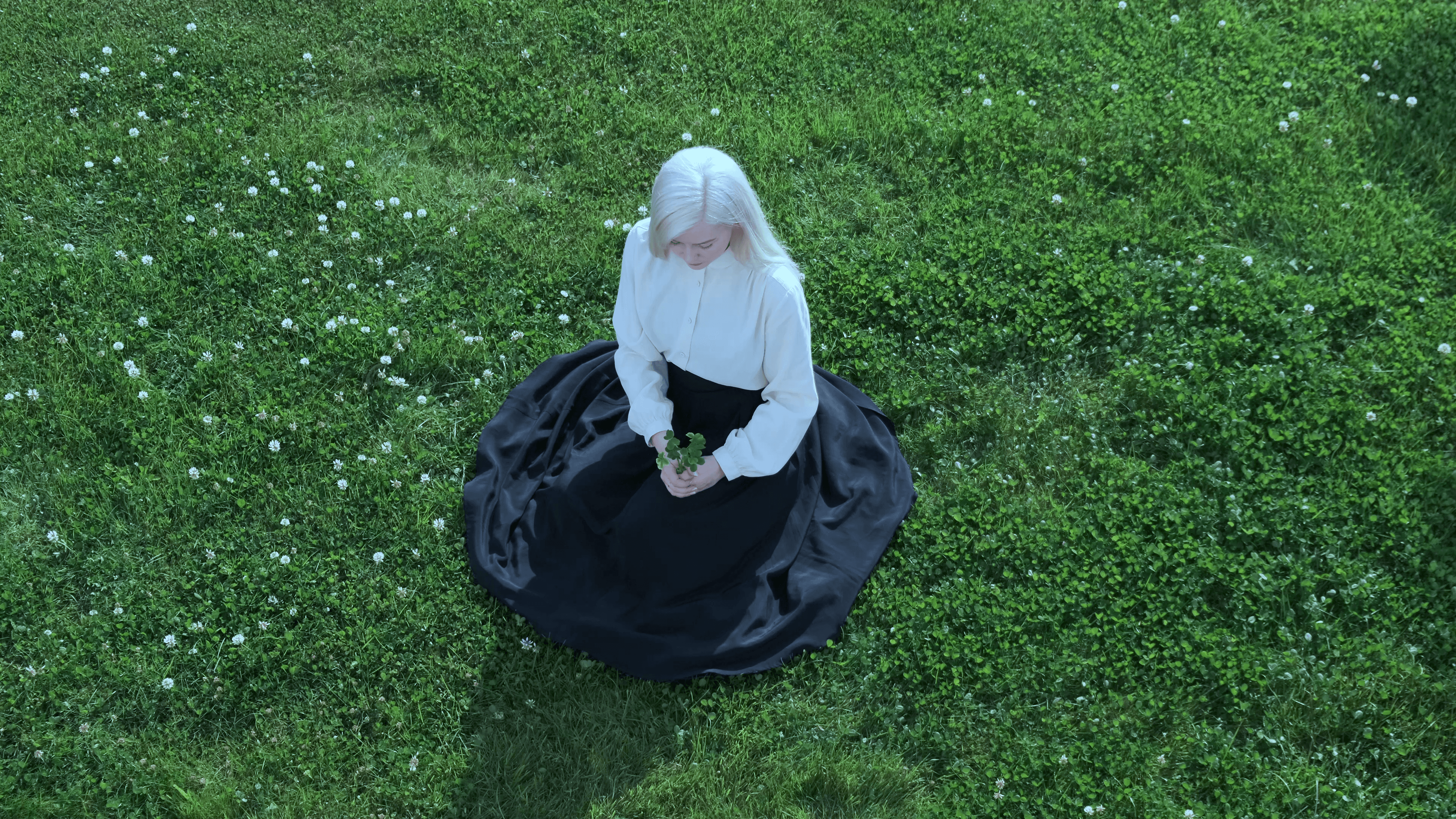
A still from Munnhola, obol ombla obla (2021), a 29-minute performance film by Icelandic artist Ásta Fanney Sigurðardóttir. Premiered at Reykjavík's Sequences Festival, the work hints at the world she builds in Pocket Universe at the 2026 Venice Biennale. Courtesy of the artist and the Icelandic Pavilion.
A still from Munnhola, obol ombla obla (2021), a 29-minute performance film by Icelandic artist Ásta Fanney Sigurðardóttir. Premiered at Reykjavík's Sequences Festival, the work hints at the world she builds in Pocket Universe at the 2026 Venice Biennale. Courtesy of the artist and the Icelandic Pavilion.
Iceland in Venice, then and now
Iceland first appeared at the Venice Biennale in 1960, with the painters Jóhannes Sveinsson Kjarval and Ásmundur Sveinsson, and the sculptor Ásmundur Sveinsson.
The country has presented its own national pavilion since 1984, and since 2007, the Icelandic Art Center has commissioned each edition. Recent pavilions include Hildigunnur Birgisdóttir’s That’s a Very Large Number, A Commerzbau (2024), Sigurður Guðjónsson’s Perceptual Motion (2022), and Shoplifter’s (Hrafnhildur Arnardóttir) Chromo sapiens (2019).
Pocket Universe continues that line of exhibitions while quietly arguing for something the moment seems to need. A small pocket. A handful of charms. The willingness to imagine what might come next.
Pocket Universe is on view at Docks Cantieri Cucchini in the San Pietro di Castello district of Venice from May 9 to November 22, 2026. More information about the artist and the project is available through the Icelandic Art Center.
Iceland in Venice, then and now
Iceland first appeared at the Venice Biennale in 1960, with the painters Jóhannes Sveinsson Kjarval and Ásmundur Sveinsson, and the sculptor Ásmundur Sveinsson.
The country has presented its own national pavilion since 1984, and since 2007, the Icelandic Art Center has commissioned each edition. Recent pavilions include Hildigunnur Birgisdóttir’s That’s a Very Large Number, A Commerzbau (2024), Sigurður Guðjónsson’s Perceptual Motion (2022), and Shoplifter’s (Hrafnhildur Arnardóttir) Chromo sapiens (2019).
Pocket Universe continues that line of exhibitions while quietly arguing for something the moment seems to need. A small pocket. A handful of charms. The willingness to imagine what might come next.
Pocket Universe is on view at Docks Cantieri Cucchini in the San Pietro di Castello district of Venice from May 9 to November 22, 2026. More information about the artist and the project is available through the Icelandic Art Center.
Iceland in Venice, then and now
Iceland first appeared at the Venice Biennale in 1960, with the painters Jóhannes Sveinsson Kjarval and Ásmundur Sveinsson, and the sculptor Ásmundur Sveinsson.
The country has presented its own national pavilion since 1984, and since 2007, the Icelandic Art Center has commissioned each edition. Recent pavilions include Hildigunnur Birgisdóttir’s That’s a Very Large Number, A Commerzbau (2024), Sigurður Guðjónsson’s Perceptual Motion (2022), and Shoplifter’s (Hrafnhildur Arnardóttir) Chromo sapiens (2019).
Pocket Universe continues that line of exhibitions while quietly arguing for something the moment seems to need. A small pocket. A handful of charms. The willingness to imagine what might come next.
Pocket Universe is on view at Docks Cantieri Cucchini in the San Pietro di Castello district of Venice from May 9 to November 22, 2026. More information about the artist and the project is available through the Icelandic Art Center.