•
Design March Iceland: Inside Reykjavík’s Biggest Design Festival
Read Time
4 min
•
Design March Iceland: Inside Reykjavík’s Biggest Design Festival
Read Time
4 min
•
Design March Iceland: Inside Reykjavík’s Biggest Design Festival
Read Time
4 min
Four days, hundreds of designers, and a whole city as the venue.
Four days, hundreds of designers, and a whole city as the venue.
Four days, hundreds of designers, and a whole city as the venue.
Spring in Reykjavík brings longer days, warmer air, and one of the world's best design festivals. For five days, the city’s studios, galleries, and even embassy residences open their doors to the public. Street-level shop windows transform into exhibition spaces, and the entire capital becomes a living gallery.
Architects, jewelers, and graphic artists become your neighbors for a week. This is Design March, known locally as Hönnunarmars, an event that showcases the breadth of Icelandic creativity. If you have ever wanted to see how a small island nation produces such a distinct and influential creative culture, this festival provides the clearest window.
When Does Design March Usually Take Place?
Design March is typically held in spring, usually sometime in April or May, across five days. The exact dates shift a little from year to year. For confirmed dates and the full program, head to the official Design March website at honnunarmidstod.is.
What Can You Expect at the Festival?
The festival spans the entire capital area, meaning there is always a new discovery around the next corner. Furniture designers and architecture studios often host open houses side by side, offering a rare look into the working lives of Icelandic creatives.
The experience is decentralized. You might spend a morning walking through a formal exhibition in a museum, an afternoon catching an open studio in a converted warehouse, and an evening at a design-themed event in a local boutique. It is a festival where every neighborhood participates.
Design disciplines on display
The festival covers a wide range of fields, reflecting the multidisciplinary nature of Icelandic design:
Fashion and textile design
Furniture and interior design
Architecture and landscape design
Graphic and digital design
Jewelry and ceramic design
Product design
Spring in Reykjavík brings longer days, warmer air, and one of the world's best design festivals. For five days, the city’s studios, galleries, and even embassy residences open their doors to the public. Street-level shop windows transform into exhibition spaces, and the entire capital becomes a living gallery.
Architects, jewelers, and graphic artists become your neighbors for a week. This is Design March, known locally as Hönnunarmars, an event that showcases the breadth of Icelandic creativity. If you have ever wanted to see how a small island nation produces such a distinct and influential creative culture, this festival provides the clearest window.
When Does Design March Usually Take Place?
Design March is typically held in spring, usually sometime in April or May, across five days. The exact dates shift a little from year to year. For confirmed dates and the full program, head to the official Design March website at honnunarmidstod.is.
What Can You Expect at the Festival?
The festival spans the entire capital area, meaning there is always a new discovery around the next corner. Furniture designers and architecture studios often host open houses side by side, offering a rare look into the working lives of Icelandic creatives.
The experience is decentralized. You might spend a morning walking through a formal exhibition in a museum, an afternoon catching an open studio in a converted warehouse, and an evening at a design-themed event in a local boutique. It is a festival where every neighborhood participates.
Design disciplines on display
The festival covers a wide range of fields, reflecting the multidisciplinary nature of Icelandic design:
Fashion and textile design
Furniture and interior design
Architecture and landscape design
Graphic and digital design
Jewelry and ceramic design
Product design
Spring in Reykjavík brings longer days, warmer air, and one of the world's best design festivals. For five days, the city’s studios, galleries, and even embassy residences open their doors to the public. Street-level shop windows transform into exhibition spaces, and the entire capital becomes a living gallery.
Architects, jewelers, and graphic artists become your neighbors for a week. This is Design March, known locally as Hönnunarmars, an event that showcases the breadth of Icelandic creativity. If you have ever wanted to see how a small island nation produces such a distinct and influential creative culture, this festival provides the clearest window.
When Does Design March Usually Take Place?
Design March is typically held in spring, usually sometime in April or May, across five days. The exact dates shift a little from year to year. For confirmed dates and the full program, head to the official Design March website at honnunarmidstod.is.
What Can You Expect at the Festival?
The festival spans the entire capital area, meaning there is always a new discovery around the next corner. Furniture designers and architecture studios often host open houses side by side, offering a rare look into the working lives of Icelandic creatives.
The experience is decentralized. You might spend a morning walking through a formal exhibition in a museum, an afternoon catching an open studio in a converted warehouse, and an evening at a design-themed event in a local boutique. It is a festival where every neighborhood participates.
Design disciplines on display
The festival covers a wide range of fields, reflecting the multidisciplinary nature of Icelandic design:
Fashion and textile design
Furniture and interior design
Architecture and landscape design
Graphic and digital design
Jewelry and ceramic design
Product design
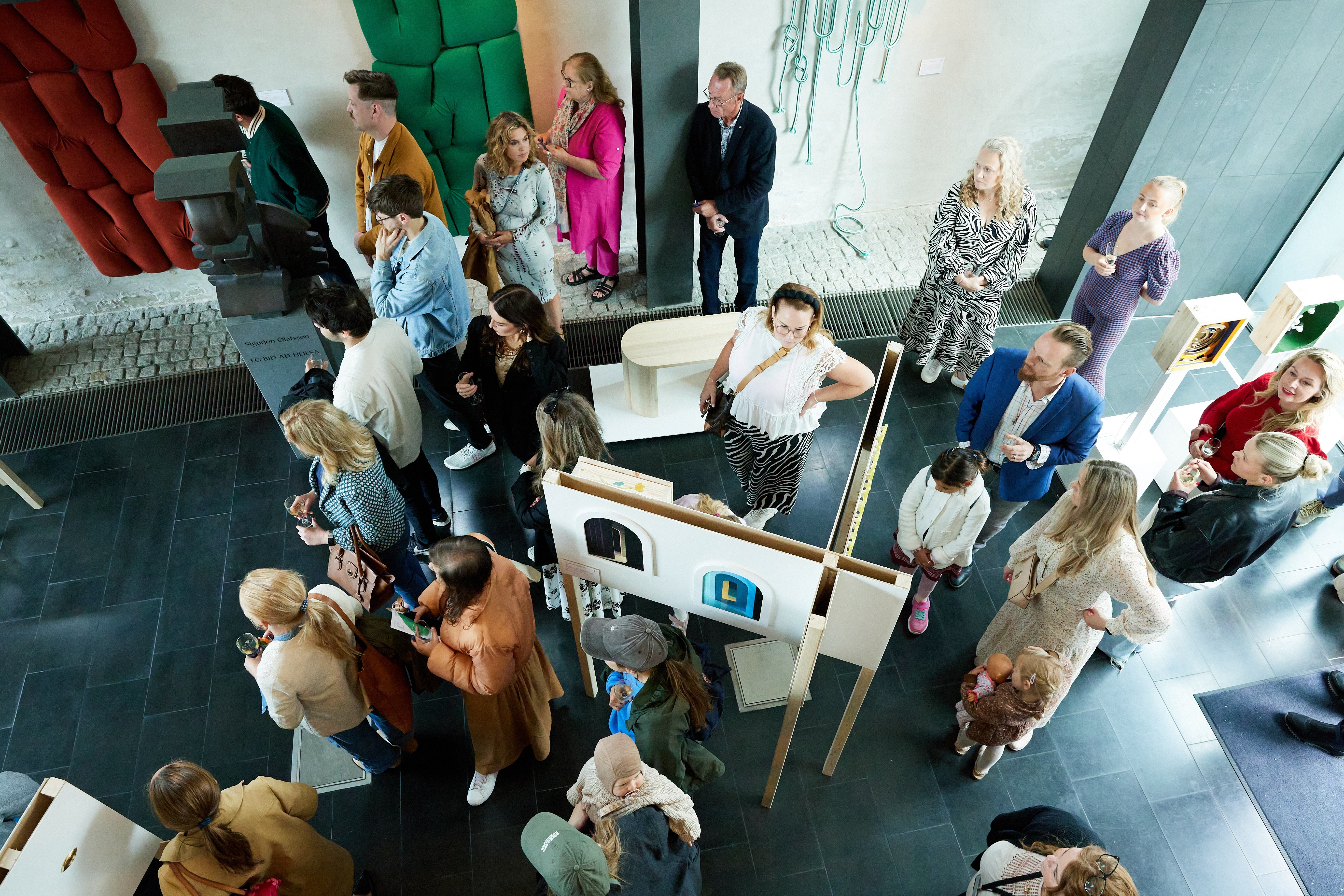
A full house at Hæ/Hi: visitors take in new Icelandic furniture and design work during DesignMarch in Reykjavík.
The parliamentarians Svava Jakobsdóttir and Sigurlaug Bjarnadóttir deliver a speech to motivate the members of parliament on Women’s Day in 1975. Photographer unknown. Preservation: Women’s History Archive of Iceland.
Geothermal hot water has made Iceland a global destination for spa and wellness tourism, with facilities like the Forest Lagoon in North Iceland offering year-round relaxation in naturally heated pools surrounded by nature.
DesignTalks: The Festival’s Main Event
If you only pick one event to attend, make it DesignTalks. It is a full-day international conference held at Harpa Music Hall, one of Reykjavík’s most recognized buildings. Around 800 designers, architects, entrepreneurs, and industry leaders gather here for a day of talks that cover design’s role in today’s world.
The speaker lineup changes every year, but the caliber stays consistently high. Past editions have featured names like Bjarke Ingels, Calvin Klein, and Jessica Walsh. It is the kind of event where you leave with your notebook full and your mind buzzing. Check the official DesignTalks page for the current year’s speakers and tickets.
Notable Events Worth Knowing About
DesignTalks gets most of the attention, but two specific programs are worth keeping an eye on.
Design Diplomacy
First introduced in 2017, Design Diplomacy takes place inside actual ambassador residences around Reykjavík. Each evening, one Icelandic designer and one international designer sit down for a card-game style discussion in front of a live audience. It is equal parts dinner party and design debate, and it is unlike anything you will find at a regular festival.
DesignMatch
DesignMatch is a professional matchmaking engine for the design world. It facilitates meetings between Icelandic designers and international producers, retailers, and curators. If you are a professional in the design industry, this is the most direct way to establish collaborative partnerships in Iceland.
DesignTalks: The Festival’s Main Event
If you only pick one event to attend, make it DesignTalks. It is a full-day international conference held at Harpa Music Hall, one of Reykjavík’s most recognized buildings. Around 800 designers, architects, entrepreneurs, and industry leaders gather here for a day of talks that cover design’s role in today’s world.
The speaker lineup changes every year, but the caliber stays consistently high. Past editions have featured names like Bjarke Ingels, Calvin Klein, and Jessica Walsh. It is the kind of event where you leave with your notebook full and your mind buzzing. Check the official DesignTalks page for the current year’s speakers and tickets.
Notable Events Worth Knowing About
DesignTalks gets most of the attention, but two specific programs are worth keeping an eye on.
Design Diplomacy
First introduced in 2017, Design Diplomacy takes place inside actual ambassador residences around Reykjavík. Each evening, one Icelandic designer and one international designer sit down for a card-game style discussion in front of a live audience. It is equal parts dinner party and design debate, and it is unlike anything you will find at a regular festival.
DesignMatch
DesignMatch is a professional matchmaking engine for the design world. It facilitates meetings between Icelandic designers and international producers, retailers, and curators. If you are a professional in the design industry, this is the most direct way to establish collaborative partnerships in Iceland.
DesignTalks: The Festival’s Main Event
If you only pick one event to attend, make it DesignTalks. It is a full-day international conference held at Harpa Music Hall, one of Reykjavík’s most recognized buildings. Around 800 designers, architects, entrepreneurs, and industry leaders gather here for a day of talks that cover design’s role in today’s world.
The speaker lineup changes every year, but the caliber stays consistently high. Past editions have featured names like Bjarke Ingels, Calvin Klein, and Jessica Walsh. It is the kind of event where you leave with your notebook full and your mind buzzing. Check the official DesignTalks page for the current year’s speakers and tickets.
Notable Events Worth Knowing About
DesignTalks gets most of the attention, but two specific programs are worth keeping an eye on.
Design Diplomacy
First introduced in 2017, Design Diplomacy takes place inside actual ambassador residences around Reykjavík. Each evening, one Icelandic designer and one international designer sit down for a card-game style discussion in front of a live audience. It is equal parts dinner party and design debate, and it is unlike anything you will find at a regular festival.
DesignMatch
DesignMatch is a professional matchmaking engine for the design world. It facilitates meetings between Icelandic designers and international producers, retailers, and curators. If you are a professional in the design industry, this is the most direct way to establish collaborative partnerships in Iceland.
Flags in the streets, wool in the windows, recycled gold under the stars. This is DesignMarch, Reykjavík's citywide celebration of Icelandic design.


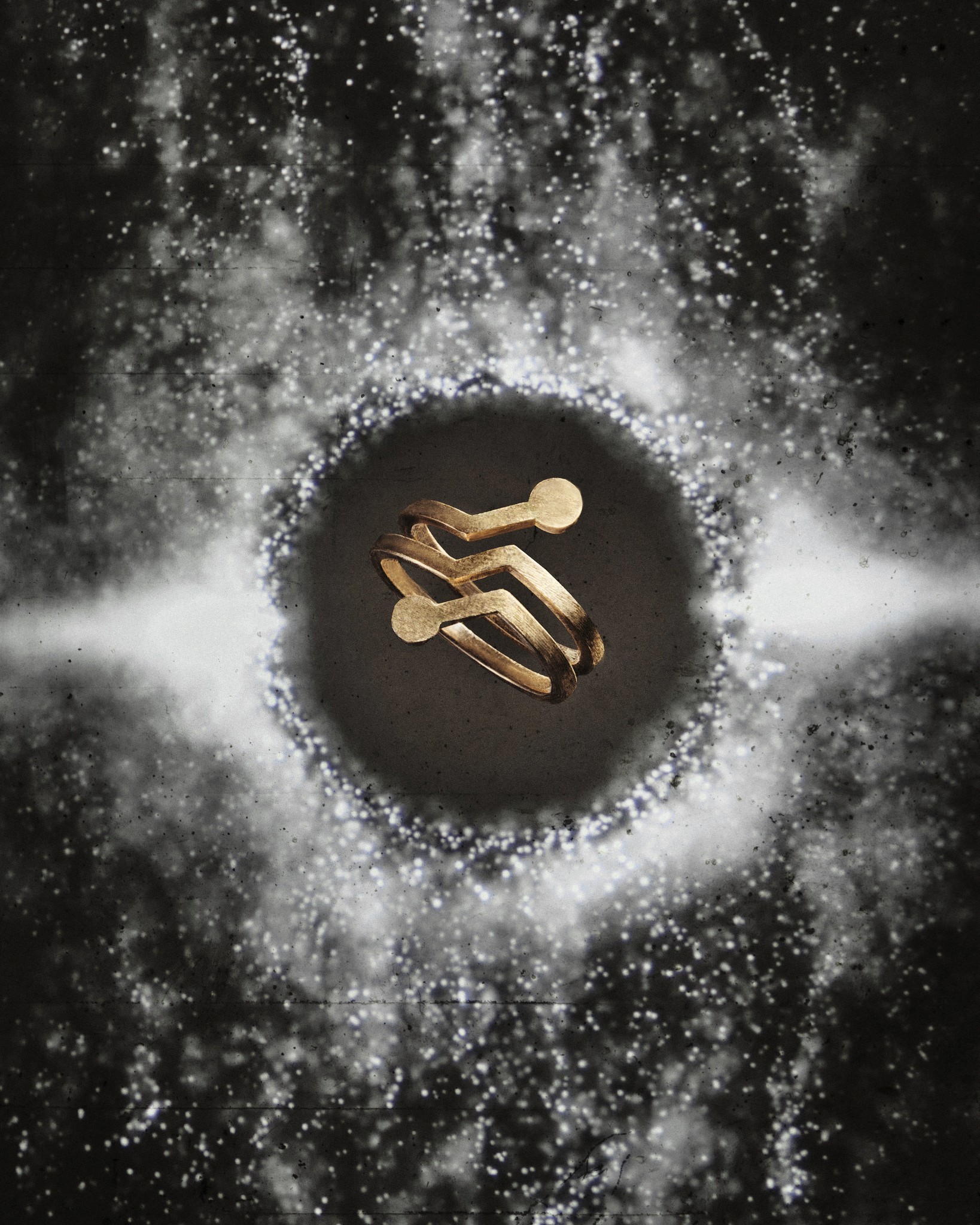
Flags in the streets, wool in the windows, recycled gold under the stars. This is DesignMarch, Reykjavík's citywide celebration of Icelandic design.
Flags in the streets, wool in the windows, recycled gold under the stars. This is DesignMarch, Reykjavík's citywide celebration of Icelandic design.
Tips for Attending Design March
A little planning goes a long way at this festival. Venues spread across nine areas of Reykjavík, from furniture showrooms to architecture studios, so knowing your route ahead of time saves a lot of backtracking. Here are a few tips to help you get the most out of it:
Check the official program early since popular events fill up fast
Wear comfortable shoes since the venues are spread across nine areas of the city
Mix exhibition visits with architecture walks for a fuller picture of the festival
Book accommodation early since the festival draws visitors from across Europe
Why Design March Matters
Iceland has a population of around 380,000 people. The scale and quality of Design March reflect how deeply creativity is woven into the country's identity. From sustainable architecture to experimental fashion, the festival shows that Icelandic design is not just a style, but a way of solving problems and expressing a unique connection to the environment.
Tips for Attending Design March
A little planning goes a long way at this festival. Venues spread across nine areas of Reykjavík, from furniture showrooms to architecture studios, so knowing your route ahead of time saves a lot of backtracking. Here are a few tips to help you get the most out of it:
Check the official program early since popular events fill up fast
Wear comfortable shoes since the venues are spread across nine areas of the city
Mix exhibition visits with architecture walks for a fuller picture of the festival
Book accommodation early since the festival draws visitors from across Europe
Why Design March Matters
Iceland has a population of around 380,000 people. The scale and quality of Design March reflect how deeply creativity is woven into the country's identity. From sustainable architecture to experimental fashion, the festival shows that Icelandic design is not just a style, but a way of solving problems and expressing a unique connection to the environment.
“We have the vote,” said writer and parliamentarian Svava Jakobsdóttir, speaking at Reykjavík’s Women’s Day Off rally on October 24, 1975. “And we’re proud of it. But what we seem to forget is that we also fought for the right to run for office.”
Her words came six decades after Icelandic women had won the vote. Yet by 1975, only nine women had ever served in parliament. At the time, just three women, a mere 5% of Alþingi members, held seats, and that was the highest number to date. Only one woman had ever served as a cabinet minister, and for just one year, in 1970.
In comparison, the other Nordic countries had already moved ahead, with women making up 14–26% of their national parliaments and frequently serving in government. Local representation in Iceland was even lower: women made up less than 4% of municipal representatives in 1975.