8 June
•
2026
Reykjavík Pride: What to Know Before You Go
Read Time
4 minutes read
Reykjavík Pride is a lively, city-wide festival, so a little preparation goes a long way. Here are a few things worth keeping in mind:
The parade is free. Most daytime events are free, while evening concerts may require tickets.
Check the Pride Pass. A bundle pass (Pride-passinn) covers official events.
Book early. Hotels fill up quickly, so reserve accommodation a few months in advance.
Pack layers. August weather can be cool, especially in the evenings.
Walk Skólavörðustígur. The rainbow street leading to Hallgrímskirkja is a must-see.
Bring essentials. Wear comfortable shoes and bring sunscreen and water.
Go cashless. Cards are widely accepted across Reykjavík.
Plan your airport transfer. Keflavík Airport is about 45 minutes from the city.
Arrive early. Parade routes get crowded as the day goes on.
Check out some more of our Iceland events.
Why Visit Reykjavík Pride Festival in Iceland
Reykjavík Pride stands out for its strong community support, with locals from all walks of life joining the celebration. It’s one of the few Pride events where the entire city truly takes part. August’s long daylight hours keep the energy going well into the evening. It’s a unique way to experience Iceland’s culture of inclusion. Start planning your Iceland Trip.
How to Plan Your Visit to Reykjavík Pride
Reykjavík Pride is a city-wide celebration with something for everyone, from parades and concerts to talks and community events. The atmosphere is what makes it special, with the whole city taking part throughout the week.
If you're planning a trip around it, book early as accommodation fills up fast and the program changes each year. Visit https://hinsegindagar.is/en/ for the latest schedule, tickets, and event details.
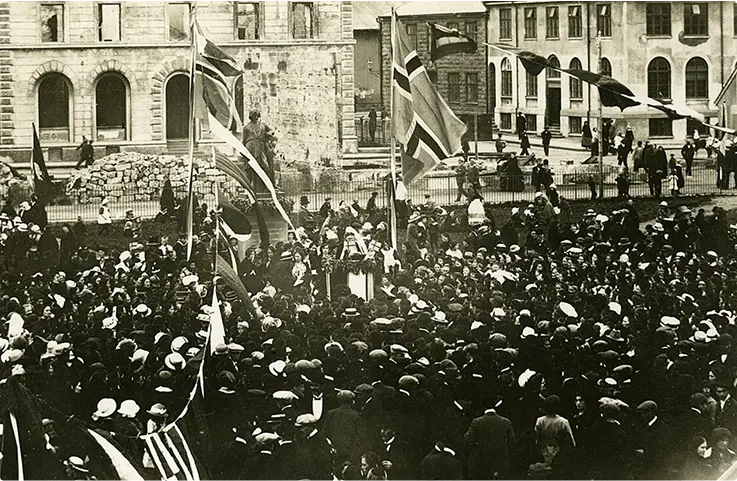
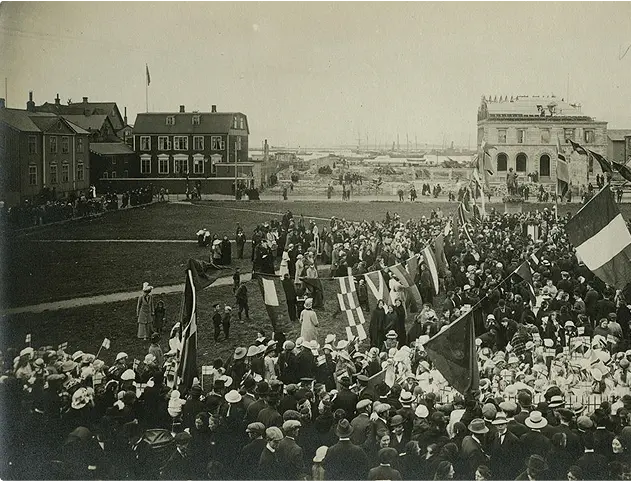
Although they gained suffrage relatively early compared to other countries, lawmakers imposed significant limitations on it. They initially allowed only women aged 40 and over to vote, with plans to lower the age by one year each year. This gradual rollout reflected the reluctance of the male political establishment, which viewed full enfranchisement as too radical. In 1920, lawmakers finally equalized the voting age between women and men. But until 1934, they could still revoke voting rights from anyone who had received public assistance.