8 June
•
2026
Reykjavík Pride: What to Know Before You Go
Read Time
4 min
8 June
•
2026
Reykjavík Pride: What to Know Before You Go
Read Time
4 min
8 June
•
2026
Reykjavík Pride: What to Know Before You Go
Read Time
4 min
Reykjavík Pride
Reykjavík Pride
Reykjavík Pride
Reykjavík is home to roughly 140,000 people, yet every August, the city draws a crowd of over 100,000 for a single celebration. That celebration is Reykjavík Pride. The streets fill with music, flags, and more rainbow outfits than you'd think were physically possible. Here's everything worth knowing before you plan your trip.
What is Reykjavík Pride in Iceland
Reykjavík Pride, known locally as Hinsegin dagar, is Iceland's biggest annual event. It's not just a parade, it's a full week of concerts, parties, and community gatherings spread across the city. The event is run by a not-for-profit organization, and any surplus funds go directly back into the celebration and support for the LGBT+ community.
Iceland legalized same-sex marriage in June 2010 and consistently ranks among the top countries for LGBTQ+ equality worldwide. That's not just a policy fact; it shapes how the whole city—and Icelanders—show up and support Pride.
History of Reykjavík Pride
Reykjavík Pride started as a protest. In 1993, a small group gathered in the city center to demand basic rights. There were no flags or music back then. The first official celebration took place in 1999, with around 1,500 people. The first parade a year later drew 12,000. Today, that number is over 100,000.
When Is Reykjavík Pride Held Each Year?
Reykjavík Pride is usually held in early August and runs for six days. The parade, the highlight of the festival, typically takes place on the final Saturday. Each year, the program is a little different, so it's worth checking the official Reykjavík Pride website for the latest schedule before you plan your trip.
Reykjavík is home to roughly 140,000 people, yet every August, the city draws a crowd of over 100,000 for a single celebration. That celebration is Reykjavík Pride. The streets fill with music, flags, and more rainbow outfits than you'd think were physically possible. Here's everything worth knowing before you plan your trip.
What is Reykjavík Pride in Iceland
Reykjavík Pride, known locally as Hinsegin dagar, is Iceland's biggest annual event. It's not just a parade, it's a full week of concerts, parties, and community gatherings spread across the city. The event is run by a not-for-profit organization, and any surplus funds go directly back into the celebration and support for the LGBT+ community.
Iceland legalized same-sex marriage in June 2010 and consistently ranks among the top countries for LGBTQ+ equality worldwide. That's not just a policy fact; it shapes how the whole city—and Icelanders—show up and support Pride.
History of Reykjavík Pride
Reykjavík Pride started as a protest. In 1993, a small group gathered in the city center to demand basic rights. There were no flags or music back then. The first official celebration took place in 1999, with around 1,500 people. The first parade a year later drew 12,000. Today, that number is over 100,000.
When Is Reykjavík Pride Held Each Year?
Reykjavík Pride is usually held in early August and runs for six days. The parade, the highlight of the festival, typically takes place on the final Saturday. Each year, the program is a little different, so it's worth checking the official Reykjavík Pride website for the latest schedule before you plan your trip.
Reykjavík is home to roughly 140,000 people, yet every August, the city draws a crowd of over 100,000 for a single celebration. That celebration is Reykjavík Pride. The streets fill with music, flags, and more rainbow outfits than you'd think were physically possible. Here's everything worth knowing before you plan your trip.
What is Reykjavík Pride in Iceland
Reykjavík Pride, known locally as Hinsegin dagar, is Iceland's biggest annual event. It's not just a parade, it's a full week of concerts, parties, and community gatherings spread across the city. The event is run by a not-for-profit organization, and any surplus funds go directly back into the celebration and support for the LGBT+ community.
Iceland legalized same-sex marriage in June 2010 and consistently ranks among the top countries for LGBTQ+ equality worldwide. That's not just a policy fact; it shapes how the whole city—and Icelanders—show up and support Pride.
History of Reykjavík Pride
Reykjavík Pride started as a protest. In 1993, a small group gathered in the city center to demand basic rights. There were no flags or music back then. The first official celebration took place in 1999, with around 1,500 people. The first parade a year later drew 12,000. Today, that number is over 100,000.
When Is Reykjavík Pride Held Each Year?
Reykjavík Pride is usually held in early August and runs for six days. The parade, the highlight of the festival, typically takes place on the final Saturday. Each year, the program is a little different, so it's worth checking the official Reykjavík Pride website for the latest schedule before you plan your trip.
From creative styling to show-stopping performances, the spirit of Reykjavík Pride brings the entire capital together. The celebration showcases the diverse individuals who make the event unique, featuring bold statements in the parade crowd alongside iconic traditions like Páll Óskar’s annual performance. More than a weekend festival, it represents a year-round dedication to equality and community.
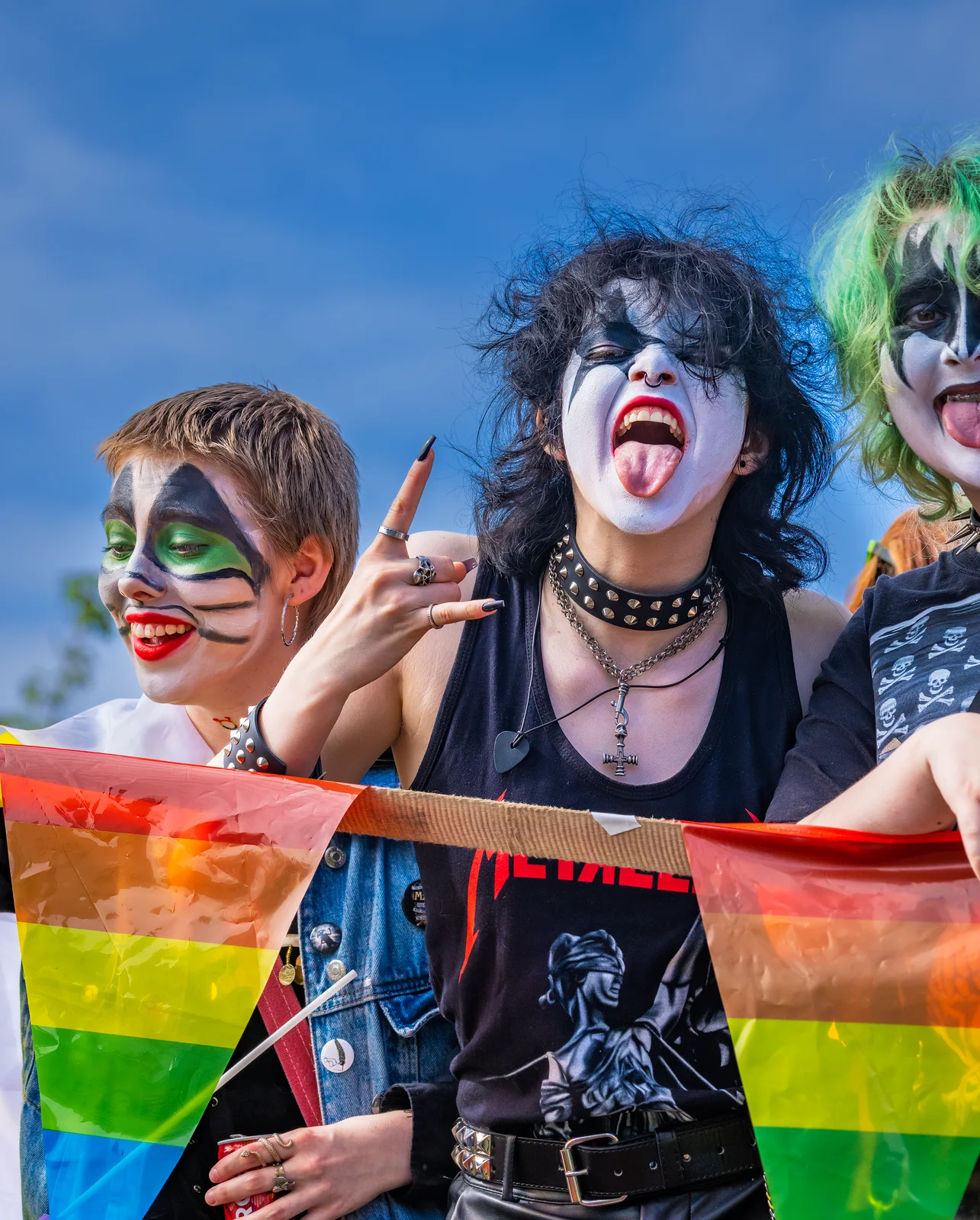
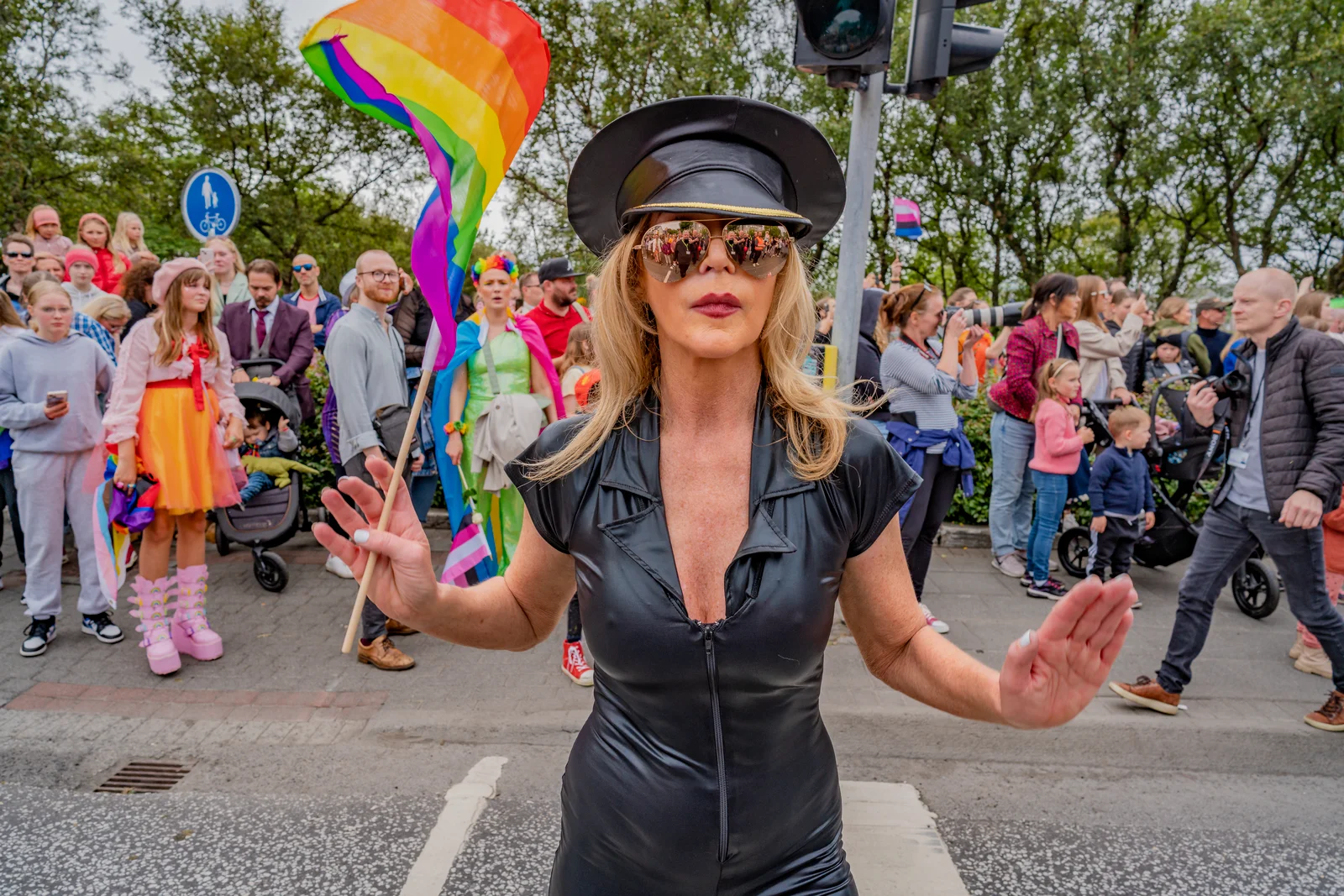
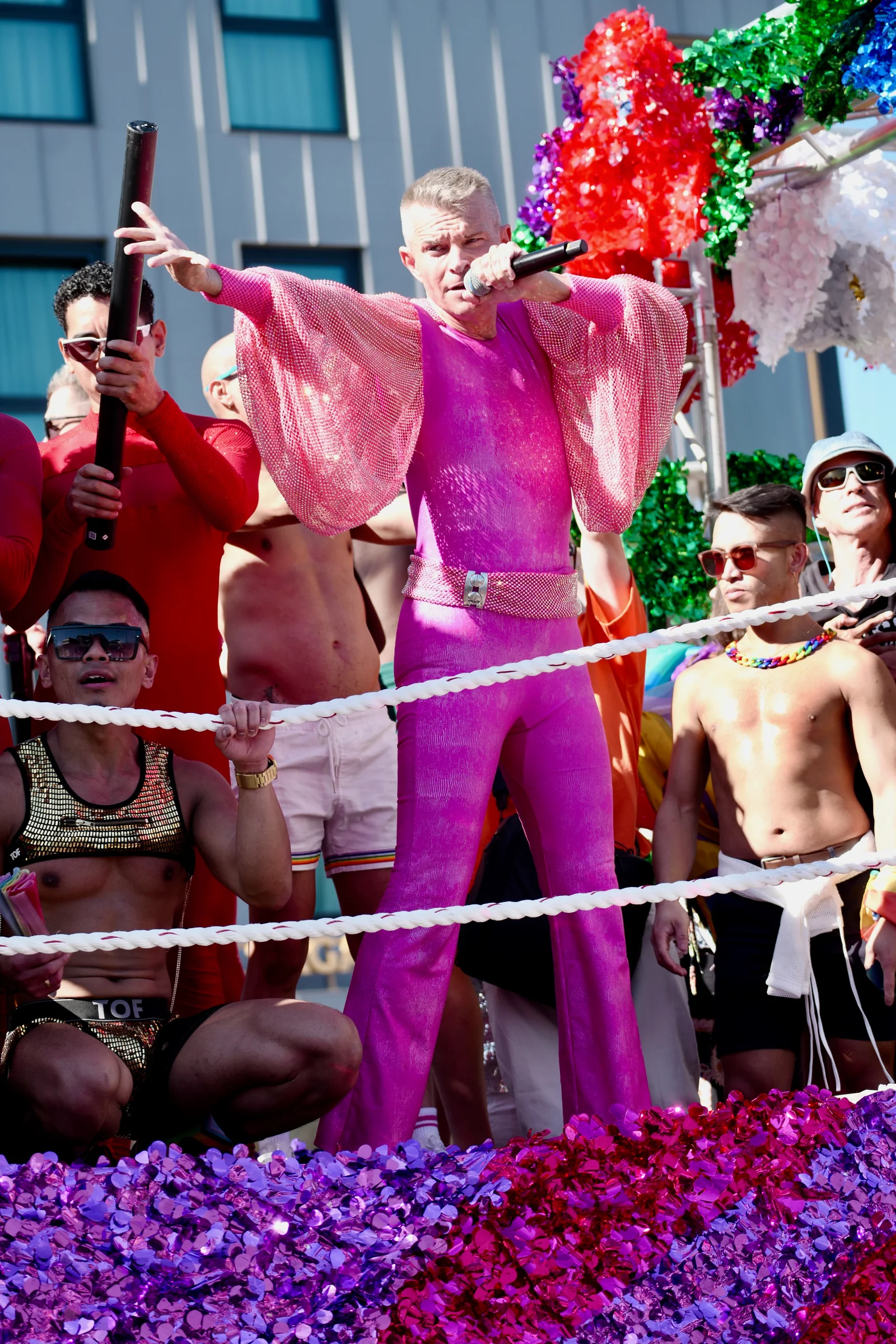
From creative styling to show-stopping performances, the spirit of Reykjavík Pride brings the entire capital together. The celebration showcases the diverse individuals who make the event unique, featuring bold statements in the parade crowd alongside iconic traditions like Páll Óskar’s annual performance. More than a weekend festival, it represents a year-round dedication to equality and community.
From creative styling to show-stopping performances, the spirit of Reykjavík Pride brings the entire capital together. The celebration showcases the diverse individuals who make the event unique, featuring bold statements in the parade crowd alongside iconic traditions like Páll Óskar’s annual performance. More than a weekend festival, it represents a year-round dedication to equality and community.
Tips for Attending Reykjavík Pride in Iceland
Tips for Attending Reykjavík Pride in Iceland
Tips for Attending Reykjavík Pride in Iceland
Reykjavík Pride is a lively, city-wide festival, so a little preparation goes a long way. Here are a few things worth keeping in mind:
The parade is free. Most daytime events are free, while evening concerts may require tickets.
Check the Pride Pass. A bundle pass (Pride-passinn) covers official events.
Book early. Hotels fill up quickly, so reserve accommodation a few months in advance.
Pack layers. August weather can be cool, especially in the evenings.
Walk Skólavörðustígur. The rainbow street leading to Hallgrímskirkja is a must-see.
Bring essentials. Wear comfortable shoes and bring sunscreen and water.
Go cashless. Cards are widely accepted across Reykjavík.
Plan your airport transfer. Keflavík Airport is about 45 minutes from the city.
Arrive early. Parade routes get crowded as the day goes on.
Check out some more of our Iceland events.
Why Visit Reykjavík Pride Festival in Iceland
Reykjavík Pride stands out for its strong community support, with locals from all walks of life joining the celebration. It’s one of the few Pride events where the entire city truly takes part. August’s long daylight hours keep the energy going well into the evening. It’s a unique way to experience Iceland’s culture of inclusion. Start planning your Iceland Trip.
How to Plan Your Visit to Reykjavík Pride
Reykjavík Pride is a city-wide celebration with something for everyone, from parades and concerts to talks and community events. The atmosphere is what makes it special, with the whole city taking part throughout the week.
If you're planning a trip around it, book early as accommodation fills up fast and the program changes each year. Visit https://hinsegindagar.is/en/ for the latest schedule, tickets, and event details.
Reykjavík Pride is a lively, city-wide festival, so a little preparation goes a long way. Here are a few things worth keeping in mind:
The parade is free. Most daytime events are free, while evening concerts may require tickets.
Check the Pride Pass. A bundle pass (Pride-passinn) covers official events.
Book early. Hotels fill up quickly, so reserve accommodation a few months in advance.
Pack layers. August weather can be cool, especially in the evenings.
Walk Skólavörðustígur. The rainbow street leading to Hallgrímskirkja is a must-see.
Bring essentials. Wear comfortable shoes and bring sunscreen and water.
Go cashless. Cards are widely accepted across Reykjavík.
Plan your airport transfer. Keflavík Airport is about 45 minutes from the city.
Arrive early. Parade routes get crowded as the day goes on.
Check out some more of our Iceland events.
Why Visit Reykjavík Pride Festival in Iceland
Reykjavík Pride stands out for its strong community support, with locals from all walks of life joining the celebration. It’s one of the few Pride events where the entire city truly takes part. August’s long daylight hours keep the energy going well into the evening. It’s a unique way to experience Iceland’s culture of inclusion. Start planning your Iceland Trip.
How to Plan Your Visit to Reykjavík Pride
Reykjavík Pride is a city-wide celebration with something for everyone, from parades and concerts to talks and community events. The atmosphere is what makes it special, with the whole city taking part throughout the week.
If you're planning a trip around it, book early as accommodation fills up fast and the program changes each year. Visit https://hinsegindagar.is/en/ for the latest schedule, tickets, and event details.
Reykjavík Pride is a lively, city-wide festival, so a little preparation goes a long way. Here are a few things worth keeping in mind:
The parade is free. Most daytime events are free, while evening concerts may require tickets.
Check the Pride Pass. A bundle pass (Pride-passinn) covers official events.
Book early. Hotels fill up quickly, so reserve accommodation a few months in advance.
Pack layers. August weather can be cool, especially in the evenings.
Walk Skólavörðustígur. The rainbow street leading to Hallgrímskirkja is a must-see.
Bring essentials. Wear comfortable shoes and bring sunscreen and water.
Go cashless. Cards are widely accepted across Reykjavík.
Plan your airport transfer. Keflavík Airport is about 45 minutes from the city.
Arrive early. Parade routes get crowded as the day goes on.
Check out some more of our Iceland events.
Why Visit Reykjavík Pride Festival in Iceland
Reykjavík Pride stands out for its strong community support, with locals from all walks of life joining the celebration. It’s one of the few Pride events where the entire city truly takes part. August’s long daylight hours keep the energy going well into the evening. It’s a unique way to experience Iceland’s culture of inclusion. Start planning your Iceland Trip.
How to Plan Your Visit to Reykjavík Pride
Reykjavík Pride is a city-wide celebration with something for everyone, from parades and concerts to talks and community events. The atmosphere is what makes it special, with the whole city taking part throughout the week.
If you're planning a trip around it, book early as accommodation fills up fast and the program changes each year. Visit https://hinsegindagar.is/en/ for the latest schedule, tickets, and event details.
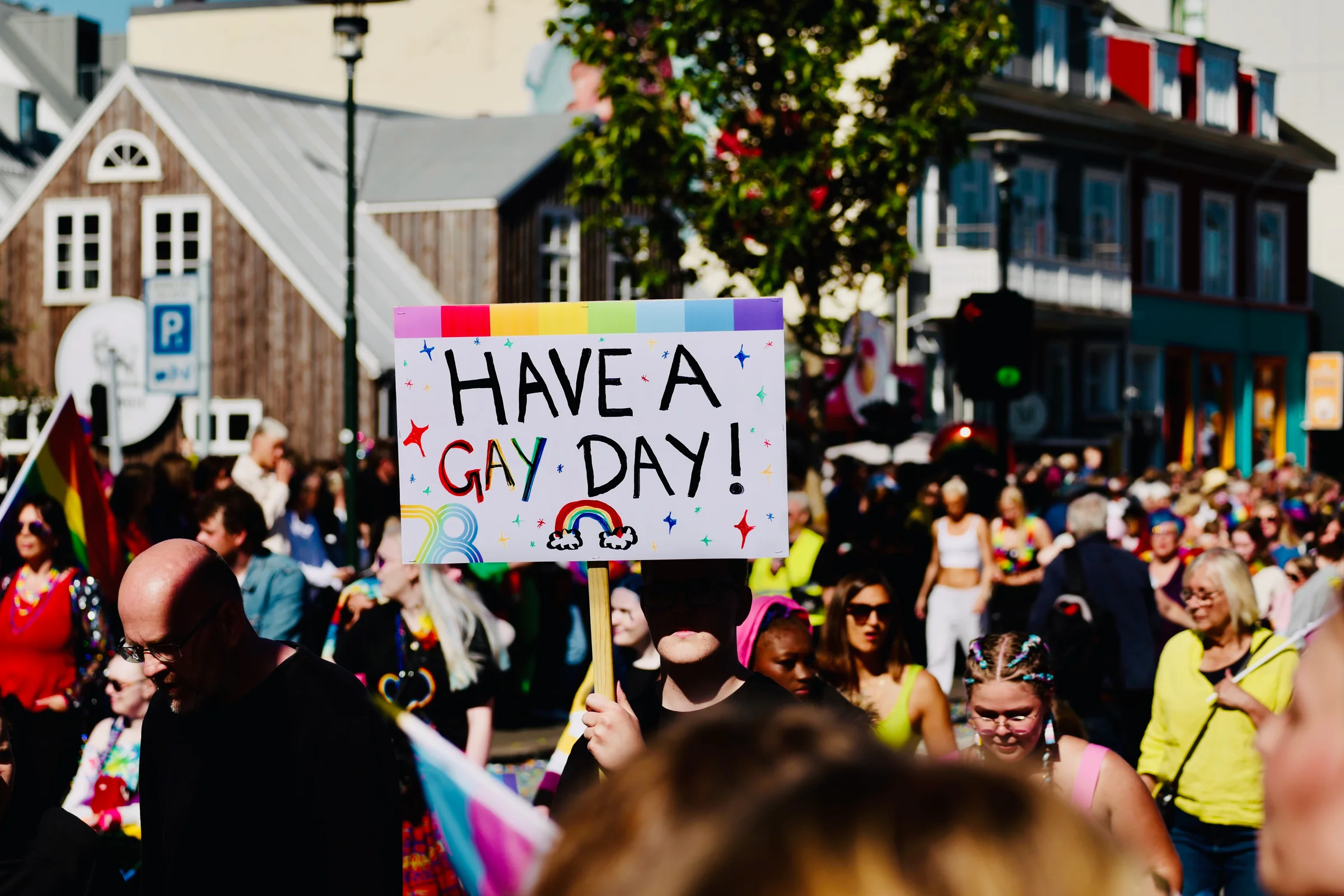
A bright moment from the streets of the capital during Reykjavík Pride. Celebrated annually, the festival highlights Iceland's commitment to equality, community, and human rights. Whether you have attended for years or are planning your first visit, the spirit of the celebration is open to everyone. Photo: Parker O'Halloran
The parliamentarians Svava Jakobsdóttir and Sigurlaug Bjarnadóttir deliver a speech to motivate the members of parliament on Women’s Day in 1975. Photographer unknown. Preservation: Women’s History Archive of Iceland.
Geothermal hot water has made Iceland a global destination for spa and wellness tourism, with facilities like the Forest Lagoon in North Iceland offering year-round relaxation in naturally heated pools surrounded by nature.
What began as an economic survival tactic has evolved into a global model. Notably, sharing geothermal expertise is one of Iceland's most successful exports. Engineering firms, scientists, and legal advisors now support clean energy projects around the world.
Icelandic geothermal experts have assisted dozens of countries in developing their own geothermal systems, ranging from Kenya to Indonesia. Since 1978, over 700 professionals from developing countries have graduated from Iceland's UN geothermal training program, now under UNESCO, helping to disseminate knowledge and build capacity to harness geothermal energy effectively.
What began as an economic survival tactic has evolved into a global model. Notably, sharing geothermal expertise is one of Iceland's most successful exports. Engineering firms, scientists, and legal advisors now support clean energy projects around the world.
Icelandic geothermal experts have assisted dozens of countries in developing their own geothermal systems, ranging from Kenya to Indonesia. Since 1978, over 700 professionals from developing countries have graduated from Iceland's UN geothermal training program, now under UNESCO, helping to disseminate knowledge and build capacity to harness geothermal energy effectively.
What began as an economic survival tactic has evolved into a global model. Notably, sharing geothermal expertise is one of Iceland's most successful exports. Engineering firms, scientists, and legal advisors now support clean energy projects around the world.
Icelandic geothermal experts have assisted dozens of countries in developing their own geothermal systems, ranging from Kenya to Indonesia. Since 1978, over 700 professionals from developing countries have graduated from Iceland's UN geothermal training program, now under UNESCO, helping to disseminate knowledge and build capacity to harness geothermal energy effectively.